World Whiskey Day Cocktails: Best Drinks and Ideas to Celebrate
Jump to:
Pour a dram, line up a tasting flight, and sort some snacks: World Whiskey Day is approaching, and you might want to be fully prepped to celebrate it in style. From whisky-vs-whiskey spelling drama to beginner-friendly bottles, easy hosting ideas, and five classic cocktails that always deliver, here’s how to make the most of the day without turning it into a lecture.
What is World Whiskey Day?
Founded in 2012 by Blair Bowman while studying at the University of Aberdeen, World Whiskey Day is a global celebration of whiskey in all its forms, which invites everyone to try a dram and celebrate the water of life.
But when is World Whiskey Day? It lands on the third Saturday of May every year, which means in 2026 it falls on 16 May. And the celebrations keep getting bigger, with tastings, parties, and whiskey-fuelled gatherings showing up far beyond the usual suspects (Scots, we’re talking to you). In fact, World Whiskey Day has been marked in places you might not instantly associate with whiskey at all, from Brazil to Bali to Cambodia. One year, the celebration even reached Antarctica, where researchers at Australian Antarctic Division stations held whiskey tastings of their own — a long way to go for a dram if you ask us, but honestly, fair enough.
World Whiskey Day also has a close cousin, International Whiskey Day, celebrated on 27 March. Born a bit earlier, in 2008, it was created in honour of British whiskey writer Michael Jackson by a group of fellow writers and is celebrated on his birthday. More famous in Europe than in the US, it’s also celebrated with plenty of enthusiasm by whiskey lovers around the world.

So, what made whiskey such a centre of attention even beyond its traditional heartlands? Part of it is the sheer range of styles, from smoky Scotch to smooth Irish whiskey to bold bourbon, and part of it is that whiskey culture has become far more global, curious and relaxed than the old clichés suggest. Think less water droppers, more bourbon cocktails. World Whiskey Day leans right into that shift, with a simple idea at its core: all you need is a bottle of whiskey (or whisky), however you enjoy it.
Whiskey vs. whisky: a difference you should know
We’ve all heard the debate sooner or later: whisky or whiskey? The short answer is simple. Scotland, Canada, and Japan usually spell it whisky, while Ireland and the United States usually go with whiskey. That tiny “e” has caused an impressive amount of drama over the years — friendships tested, opinions launched, and probably at least one portion of haggis withheld. Jokes aside, people really do care about the whisky vs. whiskey difference, and not just because of spelling.
In 2008, New York Times wine critic Eric Asimov was flooded with angry emails from Scottish readers for spelling it wrong. No one is safe. And to look at the root of this whiskey-or-whisky difference, we need to go back to its Gaelic origin: “uisce beatha”, or “water of life”, a term shared across Irish and Scottish traditions, even if the Scottish Gaelic spelling is usually rendered as “uisge beatha”. Similar sound, different way of writing the end of the modern word: an “ey” for the Irish (and later the Americans too, mostly because of Irish immigration in the 18th and 19th centuries), and just a “y” for the Scots (plus pretty much everyone else). Little memory trick? Countries with an “e” in the name tend to use the “e”, while countries without one usually do not. That might save you one day. You’re welcome.
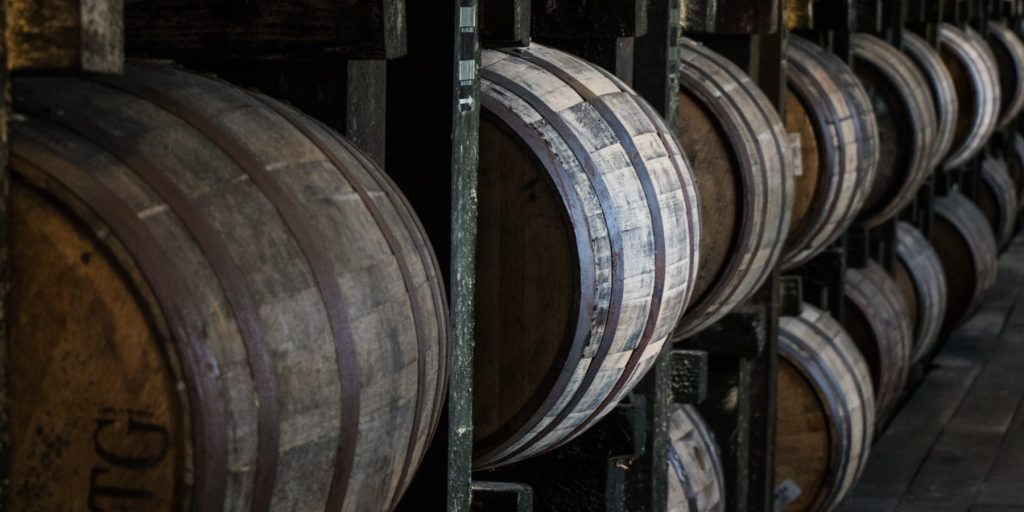
But are people getting their feathers so ruffled over just an “e”? Not exactly. The difference between whiskey and whisky has plenty to do with the content of the bottle, not just the word on its label. To be officially called Scotch whisky, the spirit needs to be produced and matured in Scotland, matured in oak casks, and aged for at least three years. Plus, single malt Scotch whisky must be made from 100% malted barley at a single distillery. Irish whiskey, on the other hand, usually uses little or no peat, so there’s generally less smokiness in the glass. It can be made with malted and unmalted barley, and while it’s often triple distilled, that’s not a hard rule across the board. Like Scotch whisky, Irish whiskey must also be matured for a legal minimum of three years.
Top whiskeys you should know
Now that you know enough about the difference an “e” can make, let’s throw in the whole alphabet. There are many more types of whiskey than you might imagine, and that’s exactly where things start to get interesting. They can seem like a lot at first, but once you get a handle on the main whiskey categories, the whole bourbon-vs-rye-vs-scotch puzzle gets a lot less smoky — pun very much intended.
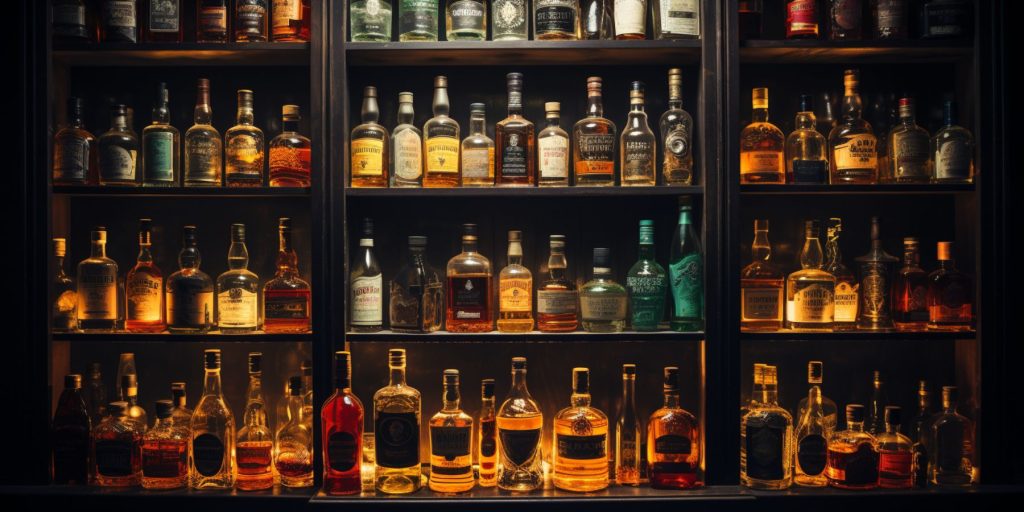
Here’s your quick guide to the main kinds of whiskey:
- Bourbon: sweet, round, and often packed with notes of caramel, vanilla, and oak, bourbon is one of the most recognisable American whiskey styles
- Rye Whiskey: spicier, drier, and a little more peppery than bourbon, rye whiskey is the bottle for people who like their whiskey styles with a bit more edge
- Irish Whiskey: often lighter and smoother in profile, Irish whiskey is a great starting point if you want something approachable without being boring
- Scotch: this broad whiskey category can range from soft and fruity to rich, smoky, and peaty, depending on where and how it’s made in Scotland
- Tennessee Whiskey: close to Bourbon in many ways, Tennessee whiskey is usually charcoal mellowed, which helps give it a softer, smoother character
- Japanese Whisky: known for balance, precision and elegance, Japanese whisky often takes inspiration from scotch while carving out its own polished style
How to celebrate World Whiskey Day at home
We’ve covered the what, so now it’s finally time for the how. What whiskey tasting ideas have you got up your sleeve to impress your friends? The good news is, you don’t need to turn into a room full of sophisticated connoisseurs overnight. Even total non-experts can join in the fun by enjoying a fun whiskey tasting at home.

You can make it feel a little more special by paying a bit more attention than usual to the glassware, for example. A Glencairn or another tulip-shaped glass helps concentrate the aromas, which means everyone gets a better sense of what’s actually going on in the glass, even if no one is going to say things like “notes of saddle leather” out loud.
And then, of course, there’s the important part: food. A few smart whiskey food pairings can turn a casual tasting into a proper event, whether that means cheese, dark chocolate, salty snacks, or something straight off the grill. Conveniently enough, 16 May is also National BBQ Day in the US — a pretty solid excuse for the rest of the world to get inspired and bring smoky meats, charred veg, and a couple of whiskey cocktails to the same table. Just saying.
Make the most of the good weather: Bourbon Cocktails for Spring: Recipes to Try
The best cocktails to make for World Whiskey Day
As always, we’ve got your back with five easy but very popular whiskey drinks that’ll make everyone look forward to next year’s celebration by the time they head home. So, get that shaker out and be ready to mix your way through a selection of our best whiskey cocktails.
Old Fashioned
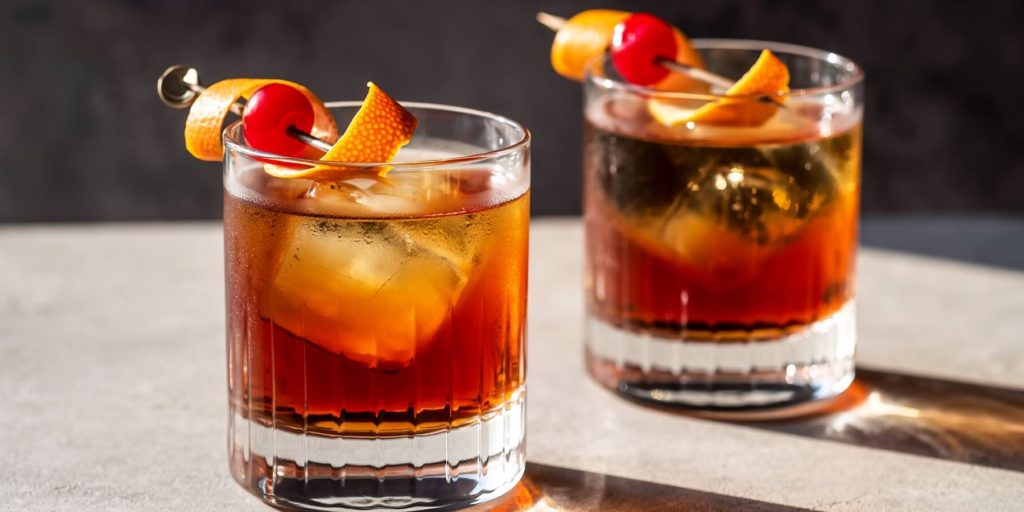
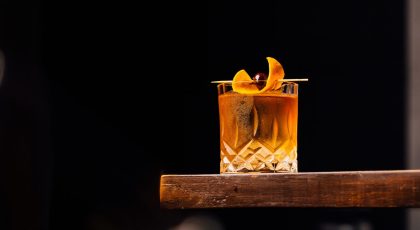
One of the most famous whiskey cocktails ever, the iconically amber-coloured Old Fashioned features simple syrup and bitters along with whiskey, which should usually be bourbon or rye. Fairly easy to make, and once associated with smoky gentlemen’s clubs and sharp-suited fictional ad men from the 1960s, it’s now just as at home at your next dinner party. For a bottle that really suits the brief, try making it with Wild Turkey 101 Bourbon Whiskey (opens in new window), whose high rye content and bold signature notes of spice and orange peel give this classic serve plenty of backbone.
Want to become an expert? Best Whiskies for Crafting the Perfect Old Fashioned Cocktail
Whiskey Sour
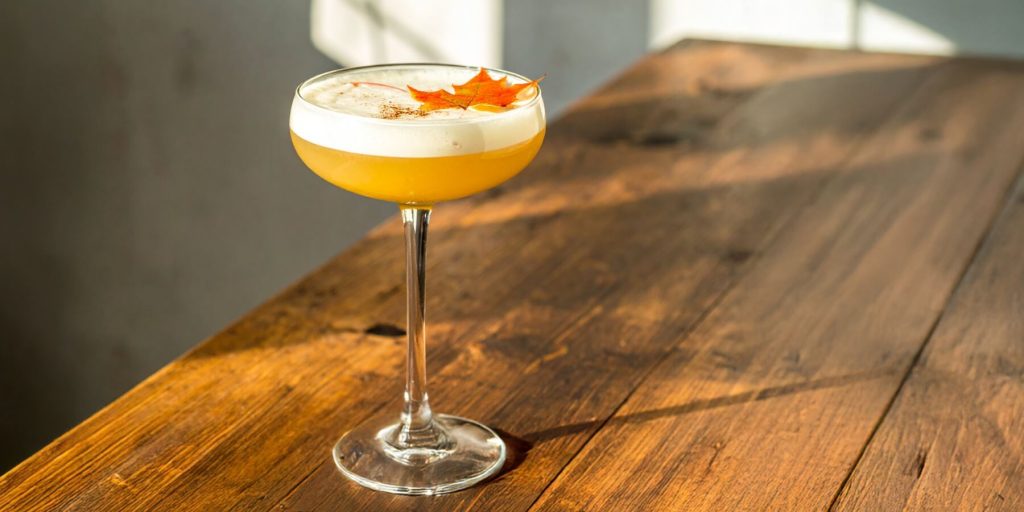
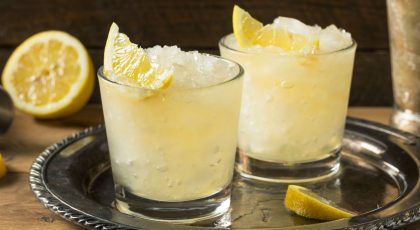
Foamy, textured, and led by bourbon or rye, the Whiskey Sour is practically a rite of passage for anyone just getting started with home cocktail making. The frothy egg whites (or their vegan counterparts) might pose a little challenge at first, but once you get it right, it really knows how to steal the scene. That makes it a brilliant after-dinner cocktail, especially when you want to serve something polished and satisfying without leaning too heavily into sweetness, thanks to the robust profile of the whiskey and the zing of the fresh lemon juice.
Dare to play with more ingredients: 11 Tempting Variations on the Classic Whiskey Sour
Manhattan
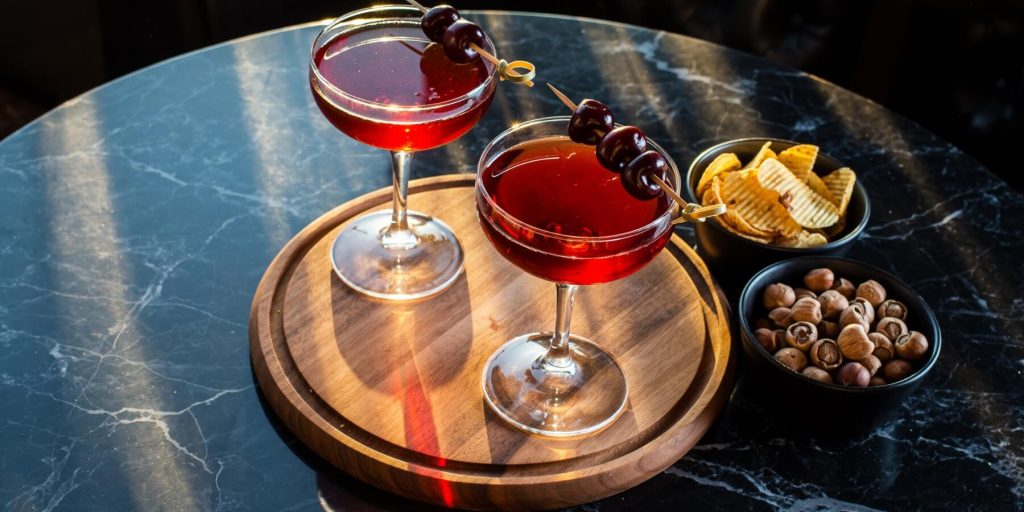
Smooth, sweet, and tasty, the Manhattan cocktail didn’t end up on the IBA’s Unforgettable list by chance. Its magic doesn’t come from a difficult preparation — it’s actually very easy to make — but from the surprising mix of three familiar ingredients: whiskey, sweet vermouth and bitters. Go for bourbon if you want a sweeter sip, or rye for a little more spice. Excellent for almost any occasion, many find it a perfect pre-dinner drink, thanks to the sweet vermouth component that wakes up the appetite.
Mint Julep
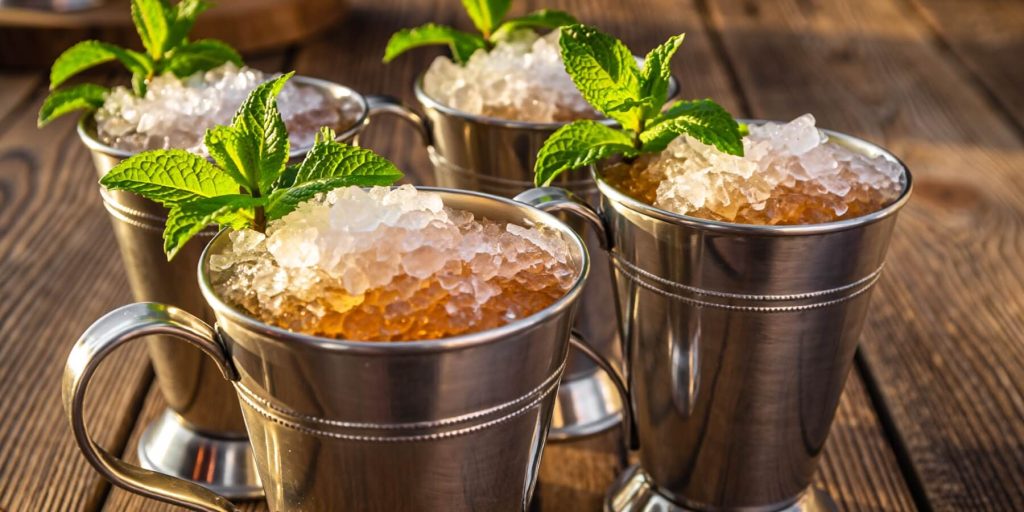
Traditionally served over crushed ice, the Mint Julep is part of the broader julep family, a style of drink closely associated with this frosty presentation. Because bourbon is the star of the cocktail, it’s worth choosing a bottle with real character; Wild Turkey 101 is an excellent option here too, standing up well to the dilution from the crushed ice. To keep things classic, serve it in a silver or pewter julep cup and hold the cup by the rim or base, so it stays perfectly chilled and develops its signature frost. Though members of Virginian high society enjoyed this drink at their breakfast table during the 1800s, today you might want to save it for a later hour—say, your next cocktail party. so it stays perfectly chilled and develops its signature frost. Though members of Virginian high society enjoyed this drink at their breakfast table during the 1800s, today you might want to save it for a later hour—say, your next cocktail party.
Boulevardier
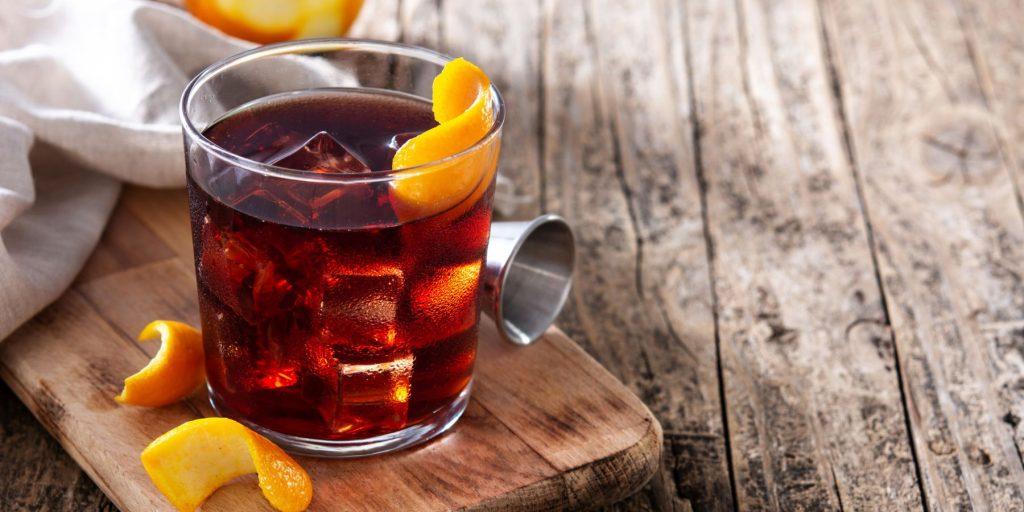
Transgressive like the Roaring Twenties, the Boulevardier cocktail blends the depth of whiskey, with its vanilla, caramel, and oak notes, with the bittersweet bite of Campari and sweet vermouth. Equally at home with bourbon or rye, it can also be made with Scotch whisky for a smokier edge. A great all-rounder, it works just as well at cocktail and dinner parties as it does at brunches or barbecue cookouts.
How to choose the right whiskey if you’re just starting out
Getting into whiskey can feel a bit like being handed a dictionary in a dimly lit bar. There’s a lot of jargon, a lot of strong opinions, and a lot of bottles claiming to be the one. But if you’re asking yourself what’s a smooth whiskey for beginners, you’re already on the right path. Knowing how to choose whiskey is much simpler than it likes to look: start with an accessible bottle that won’t blow your head off, pay attention to a few key flavour cues, and treat this as your no-fuss whiskey guide for beginners:
- Pay attention to intensity: some whiskeys whisper, some absolutely do not
- Look for sweetness: vanilla, caramel, honey, and toffee are friendly places to start
- Check the spice: pepper and cinnamon can add charm, but you need to be up for it
- Don’t ignore smoke: if it tastes like bonfire, peat is probably involved
- Begin with easier styles: a softer bottle makes learning how to choose whiskey much less dramatic. And ignore age-statement snobbery: older doesn’t always mean better, especially at the start
- Read the category: bourbon often leans sweet, rye brings spice, Scotch can be a wild card
- Don’t let Scotch scare you: not every bottle tastes like a fireplace in a fisherman’s jumper. Start with classics like Glen Grant (opens in new window)
- Irish whiskey is often a safe bet, that’s why it shows up in many a whiskey guide for beginners
- Trust your own taste: the best whiskey for beginners is the one you want another sip of.
Ideas for celebrating with friends
If you’re after whiskey party ideas, there are plenty of ways to make the evening feel memorable. A whiskey tasting party is an easy place to start: line up a few different styles, such as bourbon, rye, Irish whiskey, and Scotch, and let everyone compare sweetness, spice, smoke, and intensity as they go.

For a more interactive take, try turning the night into a whiskey-themed party. You can set up a cocktail station for classics like Old Fashioned or Whiskey Sour. A pairing experience can work well too, matching a few pours with brownies, dark chocolate, or caramel desserts to bring out the richer notes in the glass. And you could even propose a short quiz to separate the casual sippers from the self-appointed whiskey scholars.
However you celebrate it, World Whiskey Day is for everyone. So, start making calls and have fun.
Get more inspiration: 21 Spring Cocktails to Try at Home
Like the sound of that? Sign up to our newsletter for more whiskey inspiration, cocktail ideas, and good-time hosting tips.
FREQUENTLY ASKED QUESTIONS
World Whiskey Day is a global excuse to pour a dram, learn something new, and celebrate whiskey without overthinking it.
- About the day: created as an open, worldwide celebration of whiskey in all its forms, it falls on the third Saturday in May each year
- Whisky vs whiskey: the spelling points to origin but also styles, with Scotland, Canada, and Japan typically using “whisky,” while Ireland and the United States usually go with “whiskey”
- What to know about the main styles: bourbon tends to lean sweet and rounded, rye whiskey is spicier, Irish whiskey is often smoother, Scotch can range from fruity to peaty, Tennessee whiskey is usually charcoal-mellowed, and Japanese whisky is often known for balance and precision
- How to celebrate at home: a simple tasting at home works well, especially if you compare a few styles side by side, use tulip-shaped glassware to focus aroma, and add food pairings like cheese, dark chocolate, salty snacks, or barbecue. Other ideas include a quiz for your friends and a cocktail station for the day
- Cocktails that fit the day: strong picks for World Whiskey Day include an Old Fashioned, Whiskey Sour, Manhattan, Mint Julep, and Boulevardier, all of which show off whiskey in a different way
- Beginner-friendly advice: if you’re new to whiskey, start with softer, sweeter profiles, pay attention to intensity, spice, and smoke, and ignore snobbery about age statements or fancy comments