What’s the Difference Between Mezcal vs Tequila?

Jump to:
Tequila vs mezcal can cause quite a bit of confusion. Same plant family, same country of origin, similar bottles on the shelf. So, what’s actually going on in the tequila and mezcal debate? Let’s break it down.
While both are agave spirits, the difference between mezcal vs tequila is basically about agave type and production method. Tequila must be produced using only Blue Weber agave, while mezcal can be made from many agave varieties. Mezcal is traditionally roasted in underground pits, giving it that signature smoky character. The production method determines whether the spirit shines in citrus-led classics or bold, spirit-forward serves.
Once you understand how production shapes flavor, choosing the right spirit becomes effortless. Whether you’re crafting a Margarita, mixing a Mezcal Paloma, or going bold with an Oaxacan Old Fashioned, your base spirit will finally click.
Mezcal vs tequila: Agave types & ingredients
When you sip on mezcal vs tequila, you’re tasting two distinct expressions of Mexico’s agave heritage. Tequila is made exclusively from Blue Weber agave, which gives it a naturally sweeter and more predictable profile.
Mezcal, on the other hand, can be crafted from over 40 agave varieties. That’s where things get layered. This wide range of plants gives mezcal its earthy, smoky, and sometimes even fruity depth that people either obsess over or need a minute to appreciate.
Let’s talk tequila agave for a second. Blue Weber agave is cultivated primarily in Jalisco and a few designated regions in Mexico. It’s harvested at peak maturity, then steamed in ovens to convert its sugars. This controlled process delivers consistency. Whether you’re mixing a Margarita or sipping a quality blanco neat, tequila tends to show up with clean agave notes, citrus brightness, and a rounded sweetness. Reliable, balanced, classic.
And then there’s the unpredictable cousin, mezcal…
Espadín (Agave angustifolia) is used to produce around 80% of all mezcal in Mexico. Its naturally high sugar content ensures a generous yield, resulting in a spirit that leans slightly sweet with earthy notes of honey and roasted sweet potato.
Mexicano (Agave Rhodacantha) is a rarer variety. It creates mezcal that feels smooth and layered with fruity tones and a subtle whisper of anise. Fans of complexity love this one.
Picture a towering agave plant over 2.4 metres tall and weighing more than 200kg. That’s Arroqueño (Agave americana), an agave giant that produces a less sweet, deeply herbal and spicy mezcal. Each plant can yield up to 30 bottles, which makes it a serious prize for producers.
Other varieties, like Karwinskii (Agave karwinskii) and Tepeztate (Agave marmorata), tell their own stories. The dense Karwinskii piñas can produce flavours that range from roasted vegetables and herbs to nutty notes. Tepeztate takes patience, sometimes decades to mature, delivering earthy aromas with flashes of tropical fruit.
Tequila is controlled and tightly defined, built around one agave variety and a consistent production style. Mezcal is expressive and diverse, shaped by multiple agave species and regional traditions that make each bottle feel slightly different.
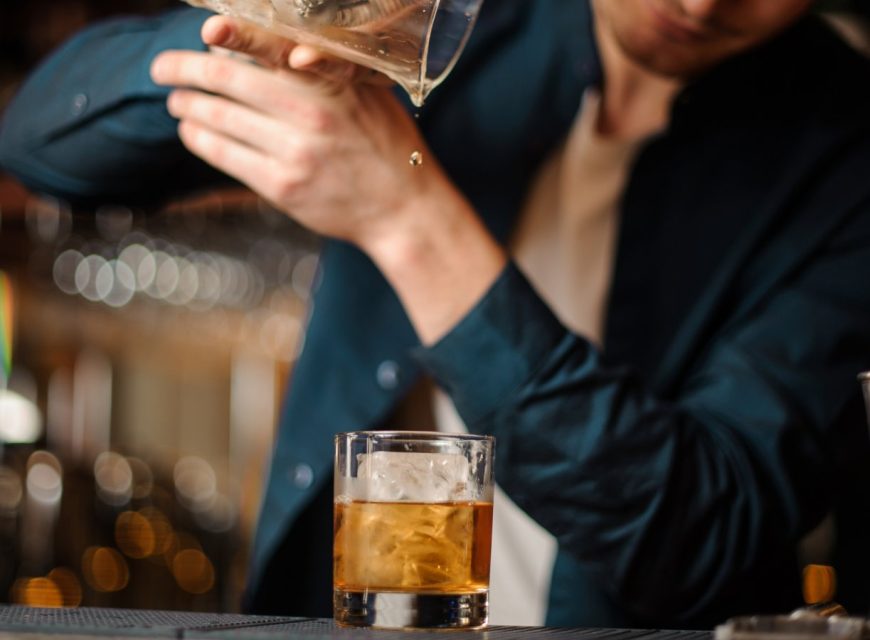
You might also like: What to Mix with Tequila
Location of tequila production vs mezcal production
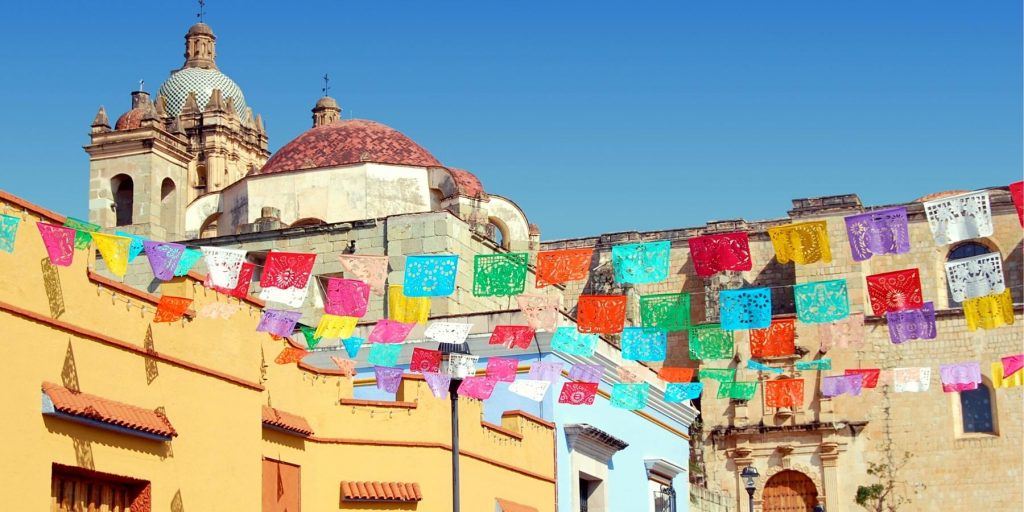
Tequila may be synonymous with Jalisco, but mezcal tells a broader story of Mexico’s regional traditions.
Tequila is primarily produced in five regions: Jalisco, Tamaulipas, Michoacán, Nayarit, and Guanajuato. Jalisco, with its volcanic soil and ideal growing conditions, is the birthplace of Blue Weber tequila agave and the epicentre of tequila production. This centralised production helps create the consistency tequila is known for.
Mezcal, however, spans a much larger map. While Oaxaca is the heart of mezcal production, accounting for 85% of the country’s output, other regions like Durango, Guerrero, and Zacatecas contribute their own unique styles and flavours. Different varieties of mezcal agave, grown in different climates and soils, shape the final flavour. That’s why mezcal is often described as terroir-driven.
Both spirits are protected by Denomination of Origin laws. This means tequila and mezcal can only be produced in specific regions of Mexico under regulated standards, preserving authenticity and regional identity.
Think about it this way: tequila is like a classic novel from a single author, while mezcal is an anthology, with each region contributing its own compelling chapter.
Quick summary
Tequila is primarily produced in five regions:
- Jalisco (the heart of production)
- Tamaulipas
- Michoacán
- Nayarit
- Guanajuato
Mezcal is produced across nine recognised regions, with Oaxaca leading at 85% of total production. Other key areas include:
- Durango
- Guerrero
- Zacatecas
- San Luis Potosí
- Puebla
- Morelos
Now trending: Easy Mezcal Cocktails for Agave Lovers
Method of cooking
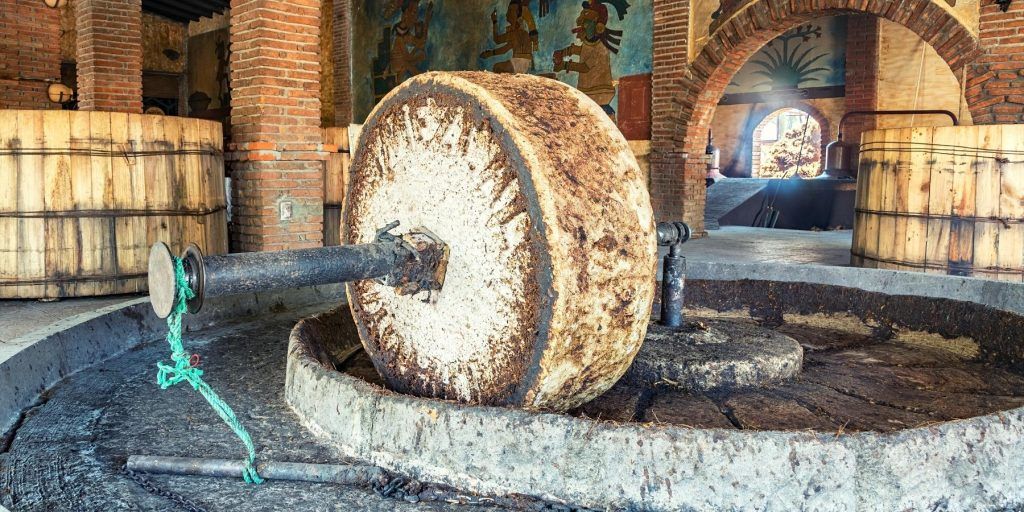
The way agave is cooked is where the journey of tequila and mezcal takes a dramatic turn. For tequila, the process is clean and efficient. The agave piñas are steamed in above-ground ovens, preserving the plant’s natural sweetness and creating a crisp, refined flavour.
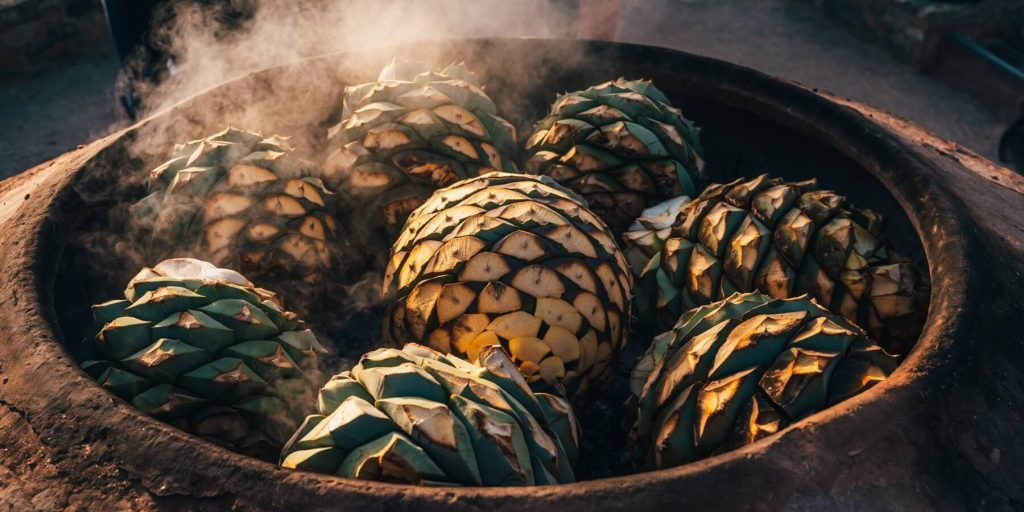
Mezcal, however, embraces tradition with a touch of fire. The piñas are roasted in underground fire pit ovens, a method that dates back centuries. This labour-intensive process infuses the agave with an earthy depth and smoky mezcal flavour. The smokiness shifts the structure of cocktails, softening sweetness, amplifying bitterness, and adding weight to spirit-led serves.
Both methods use tahonas (stone mills made from volcanic rock, powered by humans or animals) to crush the cooked piñas and extract their juices. This ancient technique ensures that every drop carries the essence of the agave.
Why is mezcal smoky?
Mezcal’s signature smokiness comes from its traditional roasting method, which is similar to barbecue-style slow-cooking. Agave piñas are buried in underground fire pit ovens, where they roast over hot stones for several days.
This allows the smoky, earthy flavours to seep deep into the agave, creating the bold, complex taste that sets mezcal apart from tequila’s cleaner, sweeter profile, and makes for deeply layered, compelling cocktails.
Learn more: The Best Tequilas for Sipping
Method of distillation
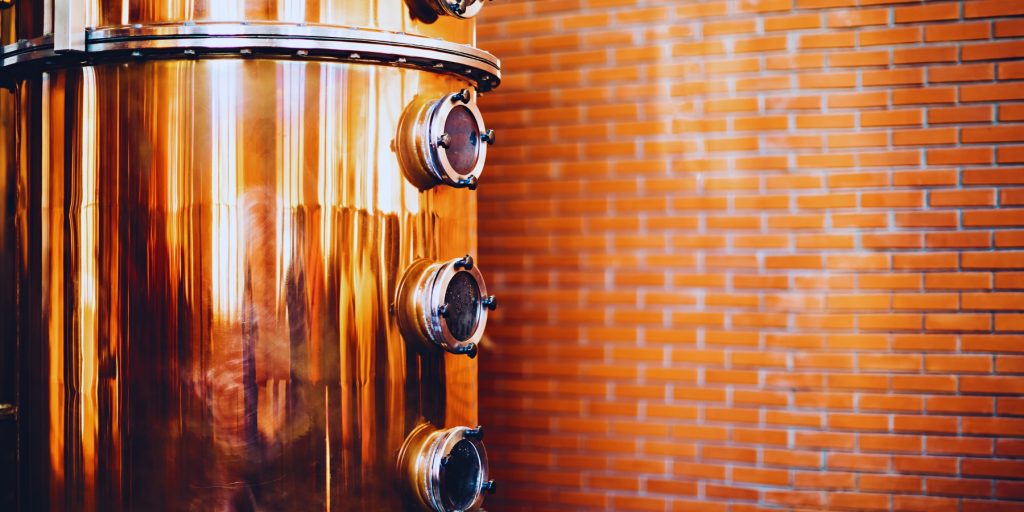
Distillation is where mezcal and tequila further carve out their identities. Tequila is typically distilled in copper pots, sometimes twice or even three times, to achieve a smooth, clean profile that highlights the Blue Weber agave’s natural sweetness. Copper helps remove heavier compounds, which results in a brighter, more polished mouthfeel.
Mezcal, on the other hand, leans into its roots. Many producers use clay pots for distillation, a method that dates back generations. Clay stills retain more weight and character, adding texture and a subtle mineral edge. That choice shapes mouthfeel as much as flavour.
While tequila delivers a refined, clean finish, mezcal embraces its artisanal soul, offering a more layered and textural experience in every sip.
Tequila: Distilled twice or three times in copper pot stills = smoother, refined flavor
Mezcal: Often distilled in clay pot stills = earthy, robust, with a complex taste
Tequila vs mezcal at a glance
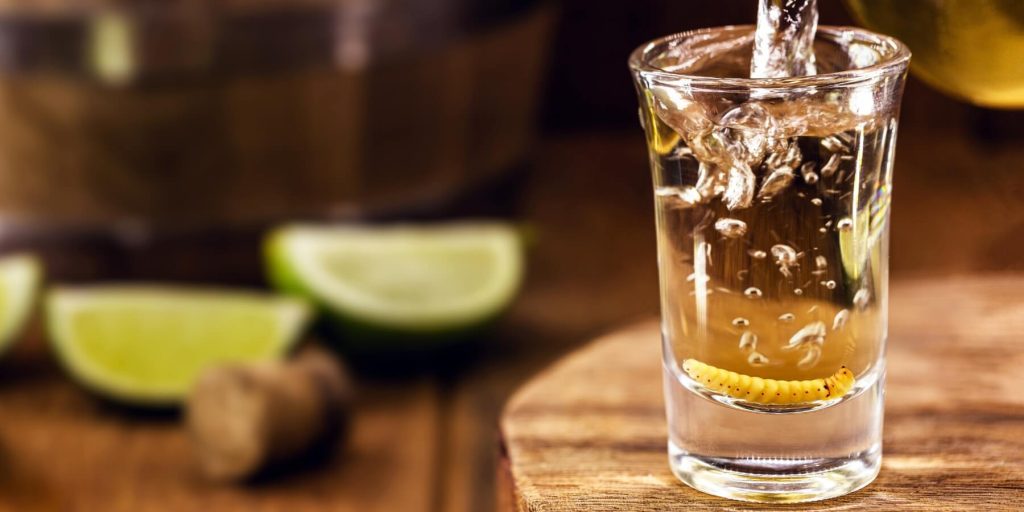
Tequila is made from one agave, Blue Weber, while mezcal can be made from many agave varieties. Tequila agave is typically steamed in ovens, whereas mezcal agave is roasted in underground pits, which creates its signature smoky edge. Tequila leans clean, bright, and consistent; mezcal shows more earth, texture, and regional variation. Tequila production is centred mainly in Jalisco, while mezcal spans multiple regions, led by Oaxaca. In cocktails, tequila often plays the reliable classic, while mezcal adds depth and a bold twist.
Top tips from Tris

Keen to dive deeper? Tristram Fini, a seasoned mixologist and renowned tequila expert from the Campari Academy UK has the inside info and valuable tips about mezcal vs tequila.
How cooking changes flavour
The traditional method of cooking mezcal involves placing the agave underground with volcanic rocks, wet Hessian sacks, and covering it all with dirt. This process creates that distinctive smoky character you get in mezcal.
Both tequila and mezcal need to be roasted to make the sugars available for fermentation, unlocking fructans into simpler sugars like fructose and glucose. The difference is the cooking method. Because mezcal is roasted in underground pits, it develops that deep smoky flavour you won’t find in tequila.
Also see: Must-Try Añejo Tequila Cocktails
Types of mezcal
There are three main types of mezcal, each bringing something different to the glass:
- Mezcal industrial: Produced in a way that’s closer to tequila. It often has a milder flavour and a more straightforward profile.
- Artisanal mezcal: The most common category worldwide. It’s made using brick ovens or traditional underground roasting and typically involves double pot distillation, resulting in richer flavour and more character.
- Ancestral mezcal: Sticks strictly to traditional methods, often distilled in wood or clay stills. It tends to be intense and deeply expressive.
Read next: Reposado Tequila Cocktails to Make at Home
Regional styles
Beyond the main types, certain regional styles stand out. In Oaxaca, for example, there’s Pechuga, which is often made during seasonal harvest celebrations. It includes a third distillation with botanicals and a turkey breast suspended above the still, which adds subtle oiliness and aromatic depth.
Another interesting style is Madrona, reserved for specific celebrations. This mezcal is left underground, developing its character and complexity until it’s ready to be enjoyed.
Unique ideas: The Ultimate Guide to Gifts for Tequila Lovers
When to use mezcal or tequila?
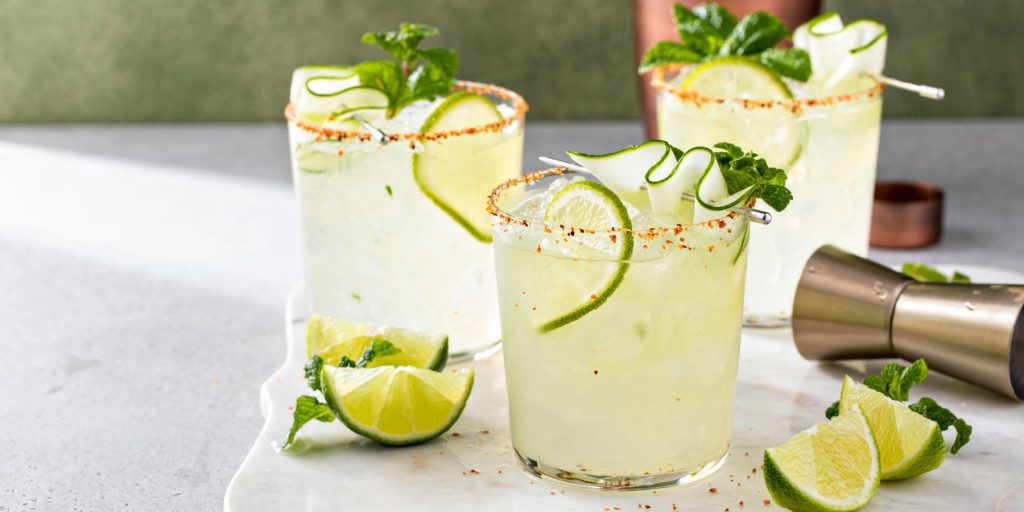
Choosing between tequila and mezcal comes down to the flavour you want in your cocktail.
Use tequila when you’re building something citrus-forward, refreshing, and crowd-pleasing. The smooth, slightly sweet profile makes it ideal for classics like a Margarita or Paloma, where clean agave notes and acidity lead the show.
Use mezcal when you want smoke, bold character, and a spirit-led edge. Mezcal adds depth and complexity to drinks like a Mezcal Paloma or an Oaxacan Old Fashioned, shifting the balance in a more dramatic direction.
Learn more: Warming Espolòn Tequila Cocktails for Winter
Mezcal cocktails to try
London Fog
Mezcal Old Fashioned
Naked & Famous
Mezcal Margarita
Mezcal Paloma
Oaxacan Negroni
Tequila cocktails to try
Lime Margarita
Tequila Sunrise
Mexican Martini
Mexican Hot Chocolate
Paloma
Mexican Mule
Final sip: Tequila vs. mezcal (TL;DR)
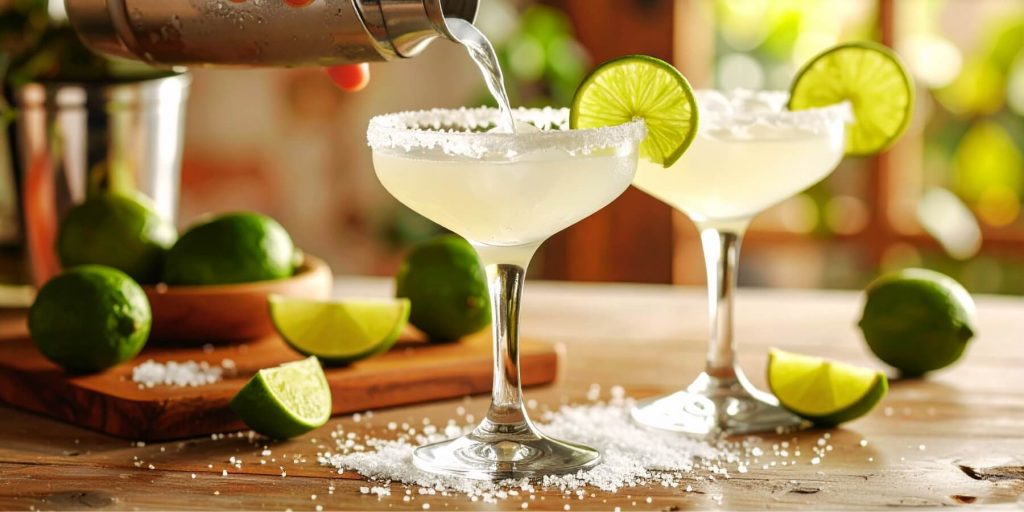
Tequila and mezcal are both agave spirits, but they’re made differently. Tequila is made from one agave, Blue Weber, and is typically steamed and distilled in copper stills for a cleaner, more consistent profile. Mezcal can be made from many agave varieties and is often roasted underground, which creates its signature smoky depth.
Flavour-wise, tequila leans bright and citrus-friendly, while mezcal brings earth, texture, and smoke. In cocktails, tequila shines in classics like the Margarita, while mezcal steps in when you want something bolder and more spirit-forward.
There you have it! An overview of mezcal vs tequila and how to enjoy these two Mexican spirits. Visit the Montelobos (opens in new window) and Espolòn (opens in new window) websites to stock up, explore our tequila recipes, and sign up for our newsletter to stay in the mix!