From Plant to Pour: How Is Tequila Made?

Jump to:
Before tequila hits the shaker, it’s made by harvesting blue agave cores, which are cooked to release sugars, then fermented, distilled, and bottled, or aged in oak barrels. It’s a time-honored process, and without it, we wouldn’t have the classic Margarita or pretty Paloma. Once you get how tequila is made, it gets really interesting. It stops being just a mere ingredient and turns into a gorgeous bit of alchemy. That story begins with a spiky plant, a sun-soaked landscape, and generations of proud makers who pour their soul into every bottle.
What is tequila made from?
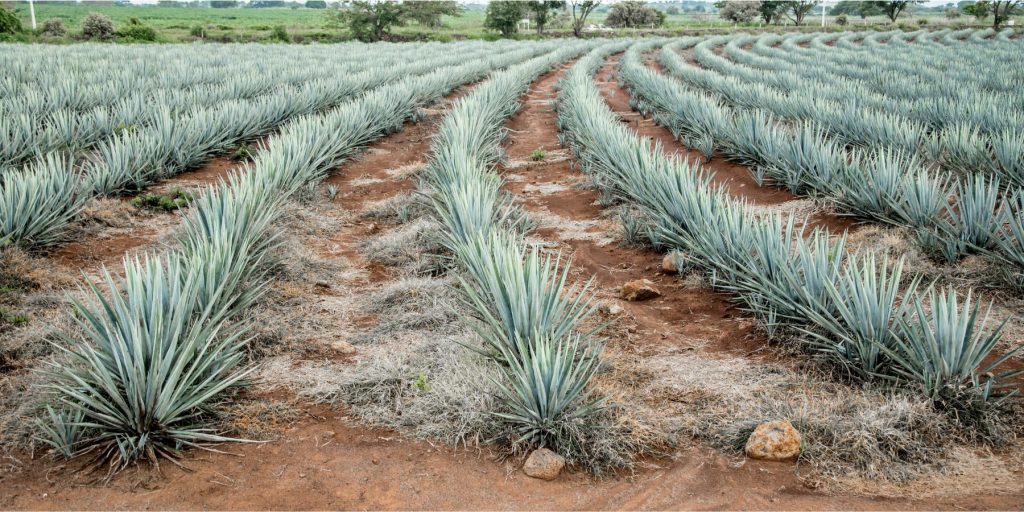
All tequila starts with the Weber Blue Agave (Agave tequilana), which is cultivated mainly in the highlands and lowlands of Jalisco, Mexico. This isn’t just a tradition; it’s the law, and to be classified as tequila, it must contain at least 51% agave sugars. The heart of the agave plant, called the piña, holds the sugary core needed for fermentation. The rest can come from other sources like cane or corn sugars (they’re known as mixto tequilas).
The Mexican government protects tequila’s origin and integrity through strict rules, meaning real tequila can only be made in specific regions and must meet precise production standards. When choosing tequila, always go for one that’s labelled 100% agave; this means it’s made solely from the blue agave plant. If you ever find yourself choosing between a mixto and a 100% agave bottle, go with the latter. It’s not just about taste – it’s about honoring the craftsmanship in every drop.
Learn more: Types of Tequila (A Complete Guide to Blanco, Reposado & Añejo)
The tequila production process (step-by-step)
Making tequila isn’t a quick job. It takes years to grow the agave and serious know-how to turn it into something worthy of a cocktail glass. Here’s a step-by-step look at the tequila production process:
Step 1 – growing and harvesting blue agave
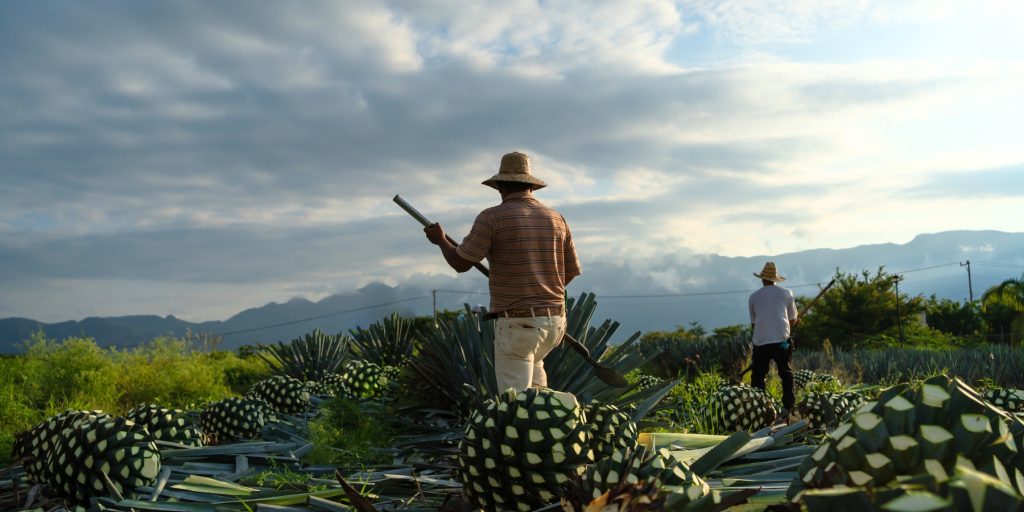
Blue agave can take six to ten years to grow and mature. When the agave cores are heavy, dense, and at their peak, harvesting begins. Skilled workers, known as jimadores, use a specialized tool called a coa to cut away the spiky leaves and reveal the piña. It’s hard, hot work, but it’s the foundation of everything that follows.
Also see: Why Is There a Worm in Tequila? (Or Is It Mezcal?)
Step 2 – cooking the agave
Once harvested, the piñas are halved and steamed to break down the tough fibers. The cooking process converts complex carbohydrates into fermentable sugars. Traditional producers use clay ovens called hornos, while more modern operations use stainless-steel autoclaves to speed up the process. Both methods create the same chemical conversion, and the aim is to strike a perfect balance between fresh and cooked notes, which define the tequila’s final taste.
Step 3 – crushing and sugar extraction
After cooking, the piñas are crushed to extract their sweet juice, known as mosto. Some distilleries use traditional tahona stone wheels, while others use roller mills, which are faster and help extract every bit of juice. Either way, the goal remains the same: to get the most from the plant without losing its essence.
Step 4 – fermentation
The magic of fermentation begins when yeast and water are added to the mosto. As the yeast feeds on the sugars, it creates alcohol. This stage can take several days and is sometimes done in open-air vats or in temperature-controlled environments, depending on the producer’s style.
Step 5 – distillation
It takes two stages of distillation to purify and concentrate the alcohol. The first run produces a low-proof liquid called ordinario. The second distillation creates the clear, high-proof tequila we all know and love. Distillation typically happens in copper pot stills or a combination of pot and column stills. Pot stills operate in batches and draw out earthy notes. Column stills run continuously, adding lightness and delicate fruit flavors. The distiller chooses the best “cuts”—the portions of distillate that capture the ideal flavor profile—and nothing goes into the bottle without careful consideration.
Step 6 – optional aging
Once distilled, some tequilas, like blancos, head straight to bottling. Others are aged in oak barrels to enhance their complexity. Barrel aging deepens the tequila’s color, softens its edges, and adds flavors like vanilla, caramel, and spice. The length of aging determines the tequila’s classification.
Stay inspired: 14 Best Tequila Mixers
Types of tequila based on aging
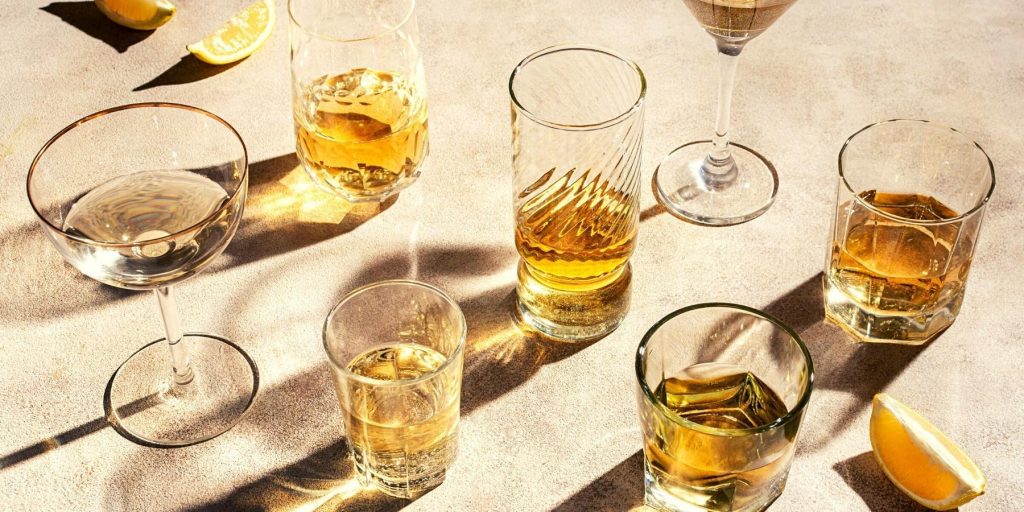
There are five types of tequila, each with a unique flavor story:
Blanco: unaged or very short resting
Blanco (opens in new window) is an unaged tequila, bottled immediately (or within a few weeks) after distillation. It’s clear, bold, and all about that pure agave kick.
Discover Sotol: The Rising Star from Mexico
Reposado: aged between 2–12 months
Aged between two months and one year, reposado (opens in new window) means ‘rested’. It’s mellow and warm with notes of vanilla and light oak.
Añejo: aged between 1–3 years
Añejo tequila has matured in oak barrels for one to three years. Añejo (opens in new window) is darker in color, richer in flavor, and often enjoyed neat.
Salud! 10 Super Simple Tequila Drinks You Can Make at Home
Extra añejo: aged for 3+ years
Aged for over three years, extra añejo tequila has a dark, almost mahogany tone and intricate layers of spice, chocolate, and dried fruit.
Joven
Also known as gold tequila, joven is an affordable mix of blanco and aged tequila. Sometimes additives like caramel are used to create a richer color and a smoother taste.
Go pro: Agave Liquors & Agave Cocktails (Everything You Need to Know)
Tequila vs mezcal: key differences
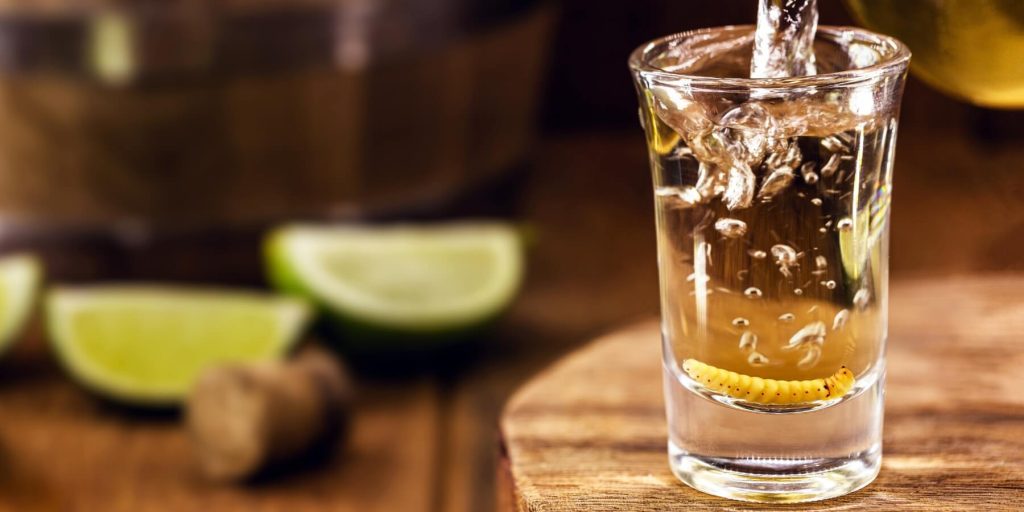
While tequila and mezcal are agave cousins, the production differs, and they come from different parts of Mexico. Most tequila is cultivated in the highlands and lowlands of Jalisco and is made exclusively from blue agave, which is steamed in ovens. The southern state of Oaxaca produces over 85% of all mezcal, and production often features different types of agaves. The agaves are roasted underground, which gives mezcal that signature smoky note. Where tequila is clean and precise, mezcal is earthy and bold. Like tequila, mezcal is also classified by the length of aging.
Dig deeper: Mezcal vs. Tequila (Key Differences, Taste & How to Use Them in Cocktails)
Why it matters: choosing tequila for cocktails
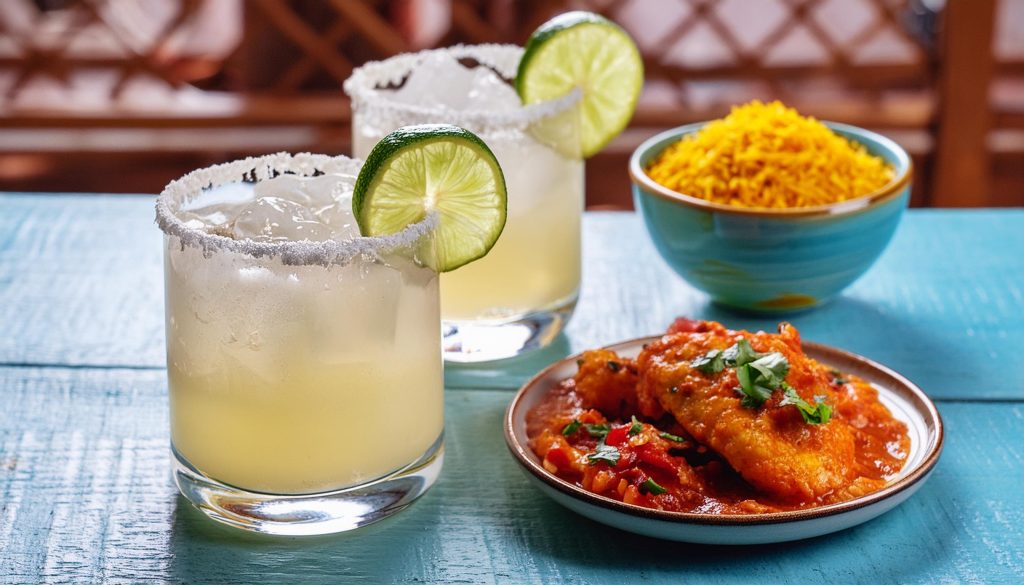
Not all tequilas play the same role behind the bar. Once you understand how each style is made, it becomes easier (and way more fun) to choose the right one for the job. Here’s how each type brings its own energy to a drink:
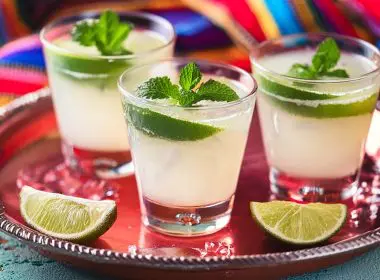
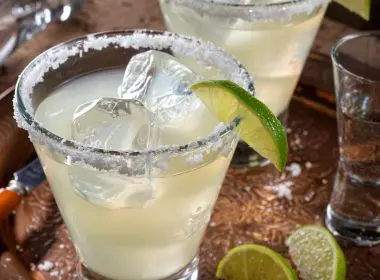
Blanco tequila is unaged, unapologetic, and all about agave in its brightest form. In cocktails, it delivers a crisp, clean hit that lifts citrus and pairs well with bubbly mixers. Try it in a Lime Margarita. (opens in new window)
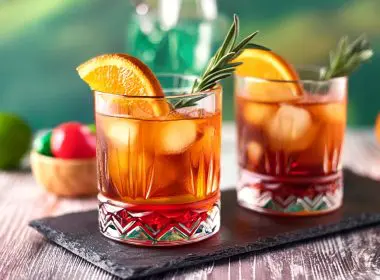
Reposado is more mellow with subtle notes of caramel and vanilla. It brings a touch of richness that works wonders in shaken or stirred recipes with layered flavors. Try it in a Reposado Old Fashioned. (opens in new window)
Añejo is deep, elegant, and full of character. Expect notes of spice, toasted oak, and dried fruit. In cocktails, it holds its own in liquor-forward builds while adding depth and complexity without overpowering. Try it in a Tequila Sour. (opens in new window)
Now that you know how tequila is made, it’s easy to see why it’s captivated so many people. From the patient agave farmers to the detail-obsessed distillers, tequila is the result of generations of expertise and heart. Next time you pour a shot or shake up a show-stopping sipper, you’ll have a new appreciation for what goes into every bottle. Sign up for our newsletter to stay in the Mix and check out Espolòn’s website (opens in new window) for even more tequila inspiration.
FREQUENTLY ASKED QUESTIONS
TLDR
- Blue Weber agave takes 6-10 years to reach full maturity before harvesting.
- The cores or piñas are steamed to convert carbohydrates into fermentable sugars.
- Cooked agave is crushed to produce a sweet juice called mosto.
- Yeast ferments the sugar into alcohol.
- The liquid is distilled twice through pot and column stills.
- Tequila is either unaged or aged and bottled depending on style.