How to Rim a Cocktail Glass: Sugar, Salt and Easy Garnish Ideas
Jump to:
- What you need to rim a cocktail glass
- How to rim a glass with sugar: step-by-step
- How to make sugar stick to the rim of a glass
- How to rim a glass with salt: step-by-step
- How to get Tajin to stick to glass
- How to rim a Margarita glass
- How to rim a Martini glass with sugar
- Best ingredients for decorating the rim of a cocktail glass
- Can you rim a glass ahead of time?
A well‑rimmed glass does more than look pretty; it changes every sip. By breaking down when to rim, which ingredients to use, and how to keep the finish neat and balanced, readers can move from “good enough” garnishes to rims that genuinely elevate each cocktail.
What you need to rim a cocktail glass
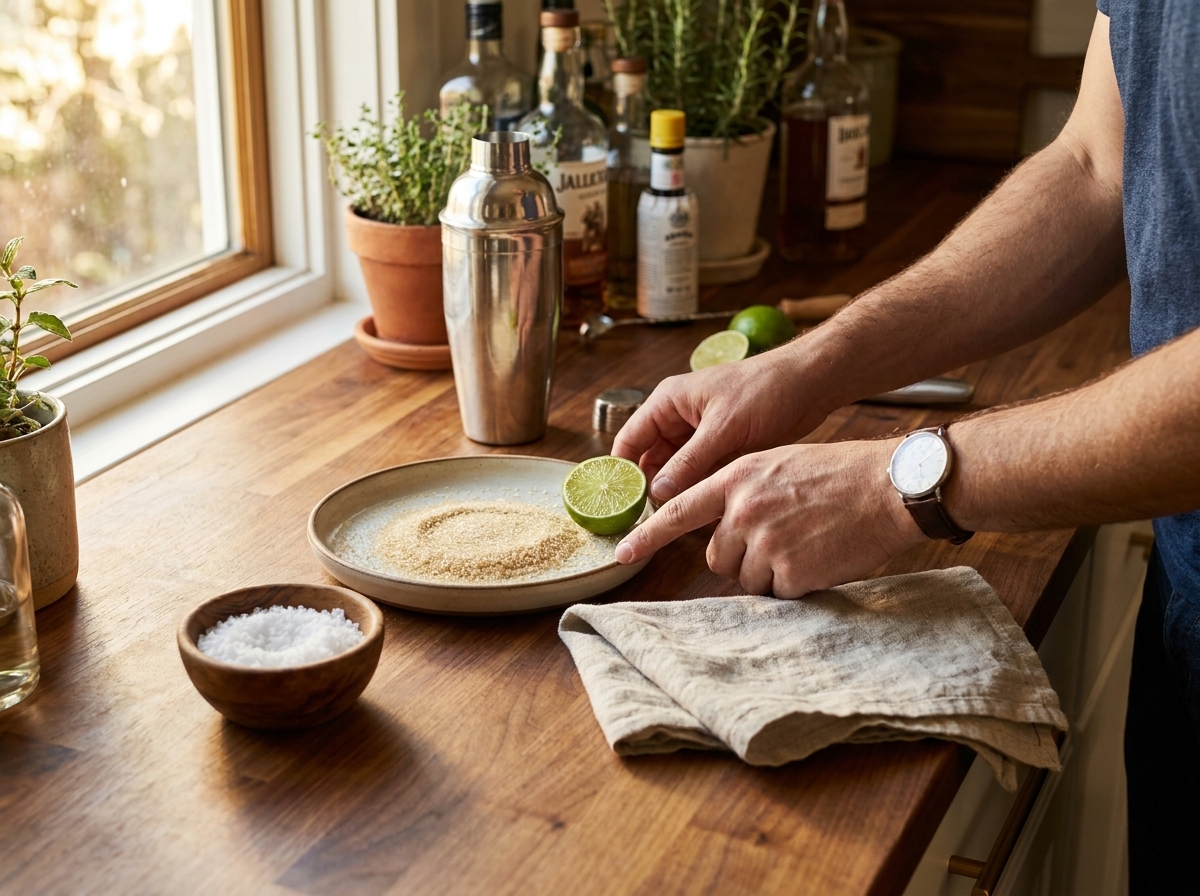
Before you start, set up your station. Learning how to rim a cocktail glass is much easier when everything is ready before the glass gets sticky. The same idea applies if you’re wondering how to decorate rim of cocktail glass recipes with sugar, salt, spice, coconut, or something more party-ready
- Shallow plates or rimmer trays: use one for the wet ingredient and one for the dry rim.
- Lime or lemon wedge: a quick, bright option for citrus cocktails.
- Simple syrup or juice: useful when you need a sweeter, stickier base.
- Sugar, salt, flavored sugar, or spice blends: choose the rim to match the cocktail.
- Cloth or paper towel: wipe away drips, tidy the base, and clean uneven patches.
- Chilled glassware: helpful for crisp serves, but make sure the rim is dry before adding liquid.
How to rim a glass with sugar: step-by-step
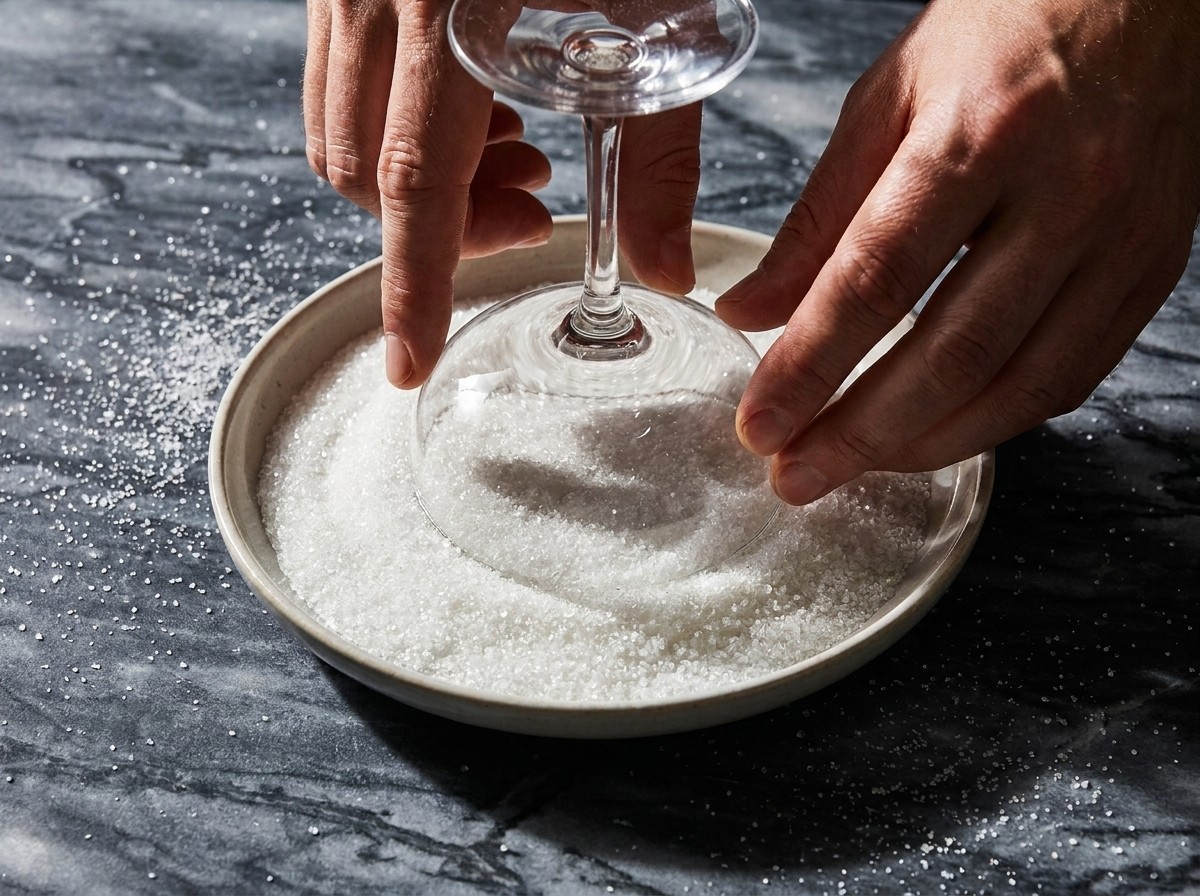
If you’re wondering how do you rim a glass with sugar, the trick is to keep the rim lightly damp, not wet. Too much liquid makes the sugar clump and slide. Too little liquid leaves gaps. For a clean finish, especially when learning how to get sugar around rim of glass, work slowly and use a plate wider than the glass.
- Choose the sugar
Use classic granulated sugar for a clean, familiar crunch. Superfine sugar gives a neater, more delicate finish, while coarse sugar adds sparkle and texture. - Add sugar to a plate
Pour a shallow, even layer of sugar onto a small plate. Spread it out so the glass can make full contact without hitting bare patches. - Wet the rim
Run a lemon or lime wedge around the rim, or dip the rim lightly into simple syrup. For a cleaner drink, wet only the outside edge so sugar does not fall into the cocktail. - Press, don’t grind
Turn the glass upside down and press it gently into the sugar. Rotate once or twice. Avoid grinding the rim into the plate, which can create a thick, uneven crust. - Tap and tidy
Lift the glass and tap off loose sugar. Wipe the inside edge if needed, then let the rim rest for a minute before pouring. - Pour carefully
Add the cocktail down the side of the glass or through the center without splashing the rim. The goal is a clean edge that stays put from first sip to last.
How to make sugar stick to the rim of a glass
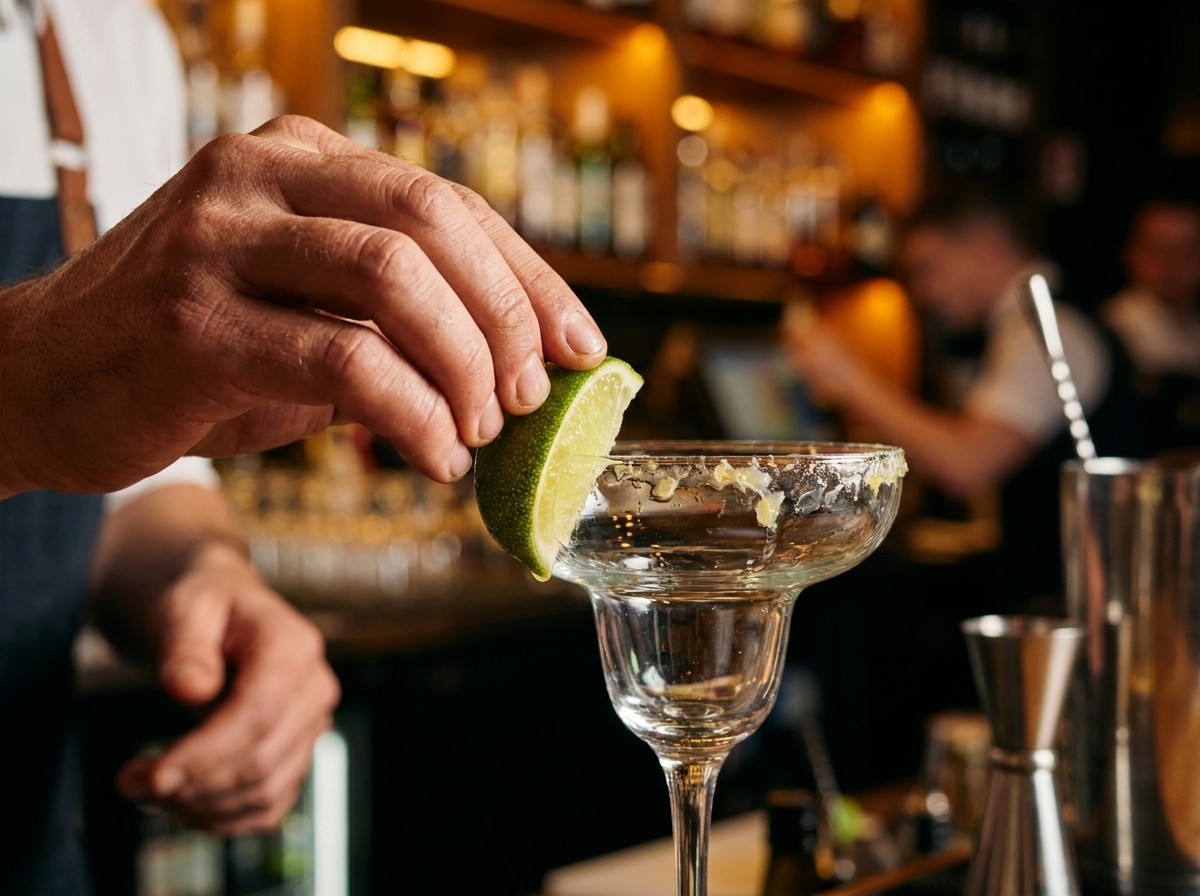
So, how do you make sugar stick to rim of glass without it sliding off halfway through the party? Start with a spotless, dry glass, then use just enough liquid to create a tacky surface. Citrus juice gives a light hold and a bright flavor. Simple syrup gives a stronger hold, especially for sweet or dessert-style cocktails.
The secret of perfect success lies in moderation: less liquid, finer sugar, and a short resting time. A good sugar rim should look even, not heavy. If the rim starts to drip, wipe it clean and try again with less adhesive. There is no single right way, just trade-offs.
Factors that influence success
It’s often one small detail that separates a clean, even rim from one that crumbles on contact. Several details affect how to get sugar around rim of glass cleanly. The liquid matters first: lime juice is lighter, simple syrup is stickier, and thick syrups can create clumps if you use too much. Humidity also plays a role because sugar can soften in a warm, damp kitchen. Not ideal, but very fixable.
Crystal size matters too. Superfine sugar gives a delicate line, while coarse sugar needs a stronger adhesive. Glass cleanliness is just as important when learning how to put sugar on glass rim. Any grease, water spots, or leftover garnish oil can stop the sugar from clinging evenly. After rimming, give the glass a minute to rest before adding the cocktail. That short pause helps the rim settle.
The best “adhesives”
- Lemon juice or lime juice: best for bright cocktails where you want a tart lift. Use this for Lemon Drop-style drinks, citrus spritzes, and refreshing sours.
- Simple syrup: best for sugar rims because it gives a steady hold without changing the drink too much. Use a light touch.
- Agave: best for Margaritas and tequila drinks. It pairs naturally with lime, salt, and spicy rims.
- Honey syrup: best for dessert-style rims. Thin honey with a little warm water first so it spreads evenly.
- Pineapple juice: best for creative tropical rims. It adds gentle sweetness and works well with coconut, sugar, or spice.
How to rim a glass with salt: step-by-step

The method for how to rim a glass with salt is similar to sugar, but salt needs a lighter hand. A salted rim should season the drink, not dominate it. If you’re wondering how to do salt rim at home, the cleanest method is simple: use fresh citrus, apply salt only where you want it, and keep the layer thin.
- Pick the right salt
Use flaky salt, kosher salt, or Margarita salt. Avoid very fine table salt if you want texture and control. - Prepare the plate
Add a shallow layer of salt to a small plate. Spread it evenly so the rim touches salt all the way around. - Wet the outside edge
Run a lime wedge around the outside of the rim. For a balanced sip, avoid wetting the inner rim unless you want a stronger salty hit. - Dip the glass
Turn the glass upside down and press the moistened edge into the salt. Rotate gently, then lift straight up. - Clean the inside
Wipe the inside lip if any salt has fallen in. This keeps the drink bright instead of briny. - Let it set briefly
Give the glass a short rest before pouring. The rim should look crisp, dry, and even.
How to get Tajin to stick to glass
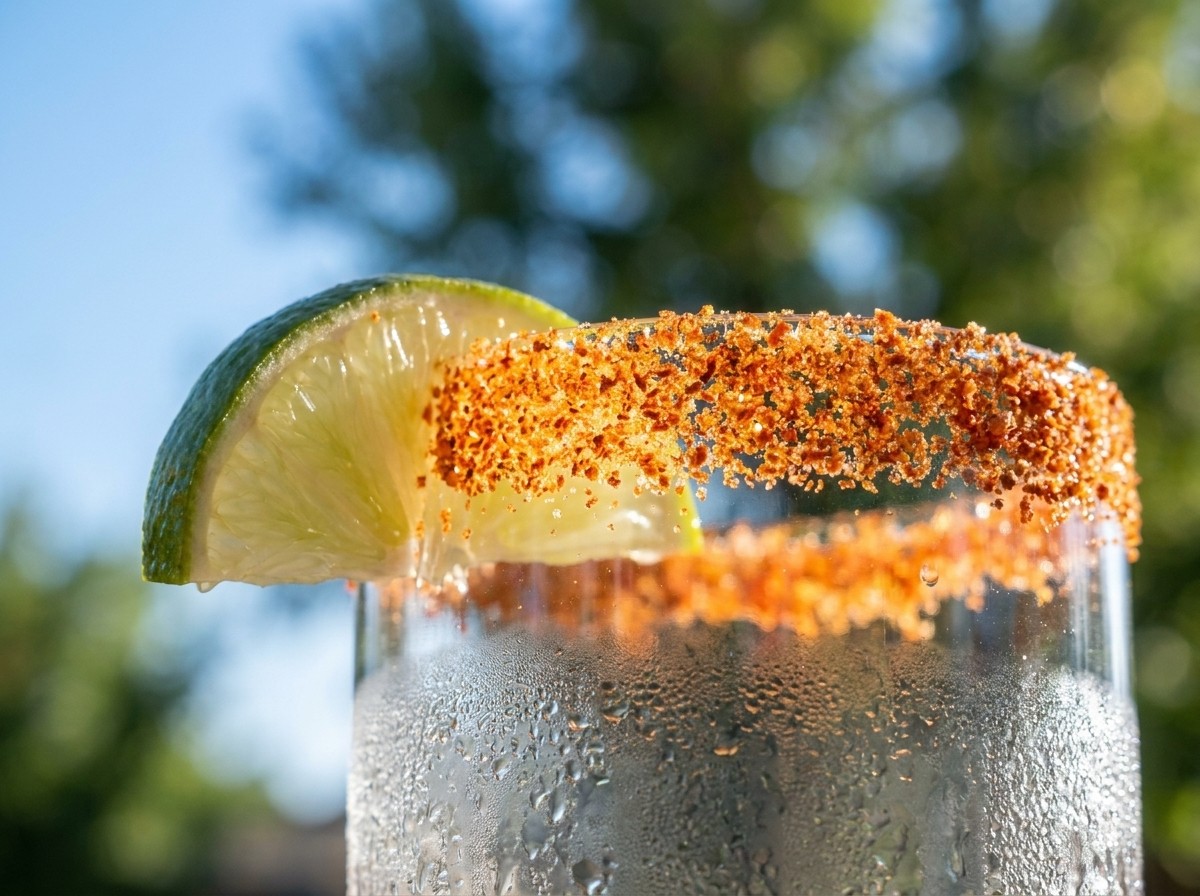
Tajín is a favorite for more contemporary cocktail rims because it brings chili, lime-style tang, and salt in one punchy garnish. It can also be a little trickier than sugar or salt because the particles are fine and the seasoning can stain or clump if the rim is too wet. For how to get tajin to stick to glass, use a tackier adhesive than plain citrus whenever possible.
To master how to rim a glass with Tajín, add the product to a shallow plate, then wet only the outside of the glass with lime juice, agave, or a light mix of both. Agave is usually the most reliable choice because it gives the seasoning something to grip. Press the glass gently into the seasoning, rotate once, then tap off the excess. A good Tajín cocktail rim should look even and zesty, not caked on.
For how to make Tajín stick to rim, avoid soaking the glass. Too much lime juice can dissolve the seasoning and make it run. A thin swipe of agave, followed by a quick dip, gives a cleaner spicy rim for Margaritas, Palomas, and other tequila or mezcal-style serves.
How to rim a Margarita glass
Learning how to rim a Margarita glass is mostly about balance. Salt is commonly used because it sharpens the lime, rounds the tequila, and gives each sip a savory edge. The key is not to overdo it. A thick salt crust can take over the drink, especially if salt falls inside the glass.
For how do you put salt on a Margarita glass, run a lime wedge around the outside edge, then dip the glass into flaky salt or Margarita salt. To avoid every sip being too salty, rim only half the glass. That gives guests the choice between a salted or unsalted sip. It also makes the glass look a little more relaxed, which is never a bad thing.
Mistakes to avoid: using too much lime juice, dipping the whole bowl of the glass, using powdery table salt, or pouring the drink through the salted edge. For more detail on salt types and technique, see The Mixer’s guide to Margarita salt.
How to rim a Martini glass with sugar

A Martini glass needs more precision because the rim is exposed, delicate, and easy to overload. When people ask how to rim a Martini glass, the best answer is: keep the layer thin, keep the inside clean, and choose the rim only when it suits the drink. A classic dry Martini does not need sugar, but fruit-forward or dessert-style Martini riffs can benefit from a crisp sugared edge.
Recommended procedure: wet only the outside of the rim with citrus juice or simple syrup, then dip lightly into superfine sugar. Tap off the excess and wipe the inside lip before adding the cocktail. This helps prevent sugar from falling into the drink and changing the balance.
A coupe is usually a little easier to rim because the bowl is wider and more stable. A V-shaped Martini glass looks sharp, but its narrow angle can make loose sugar slide toward the drink. If the cocktail is already sweet, rim only half the glass or use a very fine, uniform layer.
Best ingredients for decorating the rim of a cocktail glass
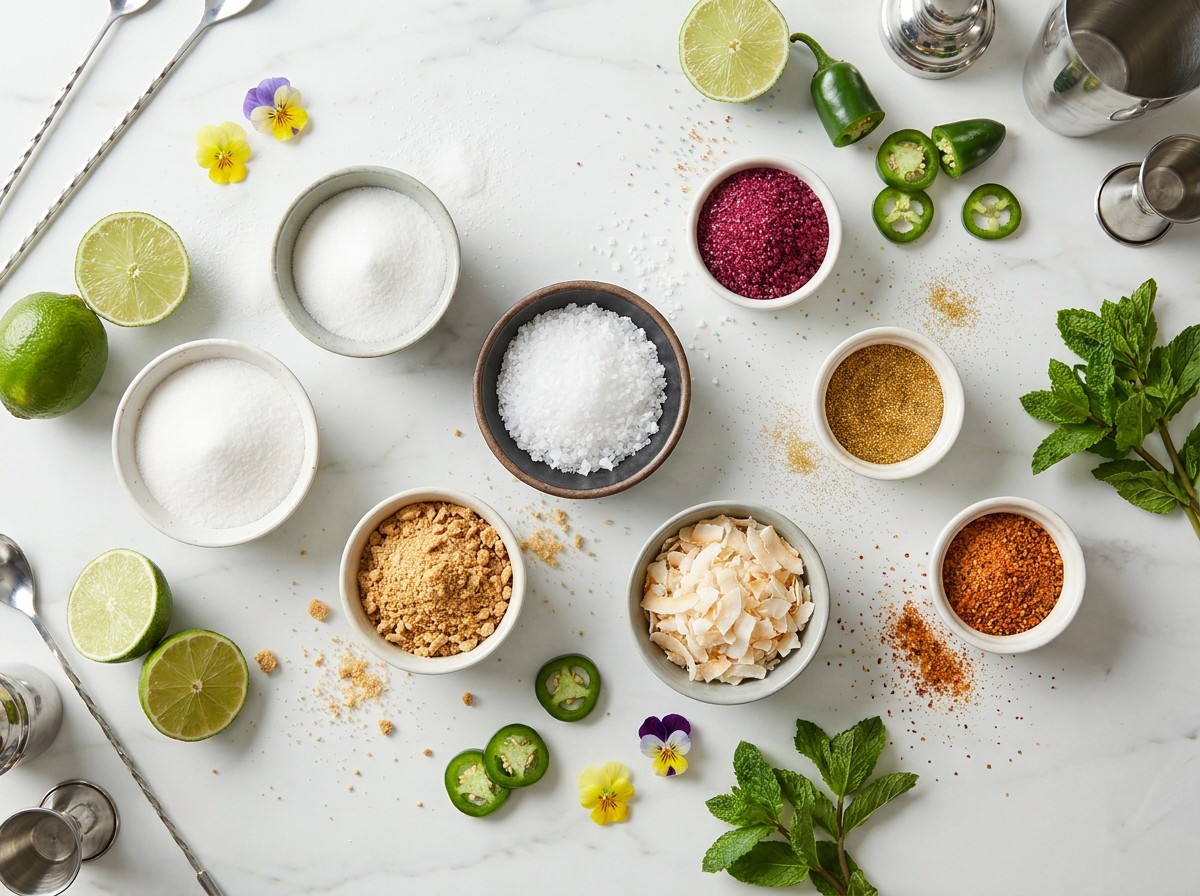
Great cocktail rims add flavor, texture, aroma, or visual polish without fighting the drink. Think of the rim as seasoning: a small detail that should make the cocktail taste more complete, not like it has shown up wearing the whole garnish drawer.
Sugar can soften tartness, salt can sharpen citrus, spice can add heat, and coconut or crumbs can signal a dessert or tropical serve before the first sip.
Classic sugar
Classic sugar is mainly used on citrus or sparkling cocktails, where the sugary rim adds contrast without overpowering the drink. It works especially well when the cocktail has lemon, lime, or bubbles. Try it with a Lemon Drop Martini or a French 75 for a bright, crisp finish.
Superfine sugar
Superfine sugar is ideal for elegant drinks served in stemmed glasses with a clean profile. It clings neatly, looks polished, and gives a lighter crunch than coarse sugar. Use it for a Cranberry Martini, Vodka Sidecar, or Tequila Daisy.
Coarse sugar
Coarse sugar is better for playful, textured, dessert-style, or tropical cocktails. It gives the glass a sparkling edge and a more noticeable crunch.
Use it with a Pomegranate Rosé Paloma, Iced Coffee Margarita, or Coconut Margarita, where it pairs well with creamy coconut, zesty lime, and a bright blanco tequila like Espolòn Tequila Blanco.
Flaky salt/Margarita salt
Flaky salt and Margarita salt are mainly used on Margaritas and similar citrus-led twists. A salted rim glass should season the drink without making it taste overly salty. For a spicy rim, mix salt with a little chili seasoning or use Tajín. Try the technique with a Lime Margarita, Spicy Margarita, or Grand Margarita.
Crushed cookies/cracker crumbs
Crushed cookies and cracker crumbs are mainly used for dessert-based cocktails. They add texture and a clear flavor cue before the drink even reaches the table. Use a fine crumb so the rim stays tidy, and pair it with a sticky adhesive like honey syrup or simple syrup. Try this style with a Key Lime Martini or Pumpkin Martini.
Coconut flakes
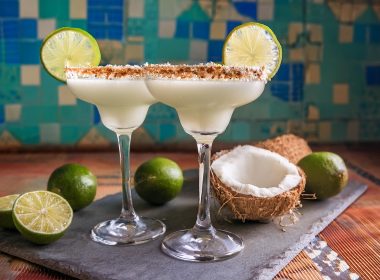
A coconut rim glass works best with tropical, creamy, or frozen cocktails. Use fine desiccated coconut for a neater edge, or lightly crush larger flakes so they cling more evenly. Coconut pairs naturally with pineapple, lime, and creamy textures, making it a good match for a Jack Frost or Piña Colada. For more cold, party-friendly serves, try these frozen vodka drinks next.
Edible glitter
Edible glitter is mostly about visual impact, so use it with a light hand. Choose cocktail-safe edible glitter, not craft glitter, and mix it with sugar if you want a more even rim. It suits festive, Halloween, and celebratory drinks such as the Twinkle Cocktail, Witches Brew, and Poison Apple.
Can you rim a glass ahead of time?
Yes, you can rim a glass ahead of time, but some rims hold better than others. Salt, coarse sugar, and cookie crumbs usually keep their shape better than wet spice rims or delicate coconut. For best results, rim the glasses, let them rest upright, and store them somewhere cool and dry.
Leave Tajín, coconut, and very sticky dessert rims until closer to serving if the room is humid. Moisture can soften the rim and make it slide. If you need to prep ahead for a party, set rimmed glasses on a tray with space between each glass so the edges do not touch. Avoid stacking rimmed glasses unless you enjoy fixing tiny garnish avalanches.
FREQUENTLY ASKED QUESTIONS
Rimming a cocktail glass is a small step that changes the whole sip. Use citrus juice for a fresh, light hold, simple syrup for sugar rims, agave for Margaritas and Tajín, and honey syrup for richer dessert-style finishes. Keep the layer thin, clean the inside edge, and match the rim to the cocktail’s flavor. Sugar softens tart drinks, salt sharpens citrus, Tajín adds spice, and coconut or crumbs bring texture.
The main rule: the rim should support the drink, not take over. Once you’ve got that down, you can use the same method for everything from a bright Lemon Drop Martini to a spicy Margarita or a creamy tropical serve.