Spanish Cocktails and Drinks: What Spain Really Sips

Jump to:
- What do people actually drink in Spain?
- Sangría
- Tinto de Verano
- Kalimotxo
- Rebujito
- Agua de Valencia
- The Spanish gin tonic ritual
- La hora del vermut: Spain's aperitif tradition
- Spanish brandy and rum serves
- The Old Spanish: the famous cocktail that doesn't exist
- Alcohol-free Spanish sips
- Bringing Spanish drinking culture home
Spain knows a thing or two about raising a vaso. But there’s more to its drinking culture than the famous Spanish cocktails you’ll find on vacation menus. Some traditions have been passed down through generations, others have taken on a life of their own, and a few might surprise you. From familiar favourites to lesser-known local specialties, there are plenty of stories to tell. Ready to discover what Spain really drinks? ¡Por aquí!
What do people actually drink in Spain?
Spanish drinking culture has its own rhythm, which doesn’t always match visitors’ expectations of Sangría flowing freely from morning till night. A small beer (caña) might accompany a few tapas, while vermouth (vermut) is one of the most typical Spanish drinks to enjoy before lunch, especially on weekends. Wine is a natural companion to food, and after dinner, a generously sized gin and tonic often steals the show.
Many traditional Spanish drinks are closely tied to their regions, from sherry in Andalusia to wine-based mixes in the Basque Country. Some are famous around the world, while others are just as popular at home but barely known beyond Spain.
One little geography lesson before we get pouring: if you’re looking for Spanish cocktails with tequila, you’ve crossed an ocean. Tequila is proudly Mexican, so head over to our Mexican Cocktails guide for inspiration from the other side of the Atlantic.
Wanna toast like a local? Try this: ¡Arriba, abajo, al centro, pa’ dentro! Raise your glass up (arriba), bring it down (abajo), move it toward the center (al centro), then take a sip (pa’ dentro).
Sangría
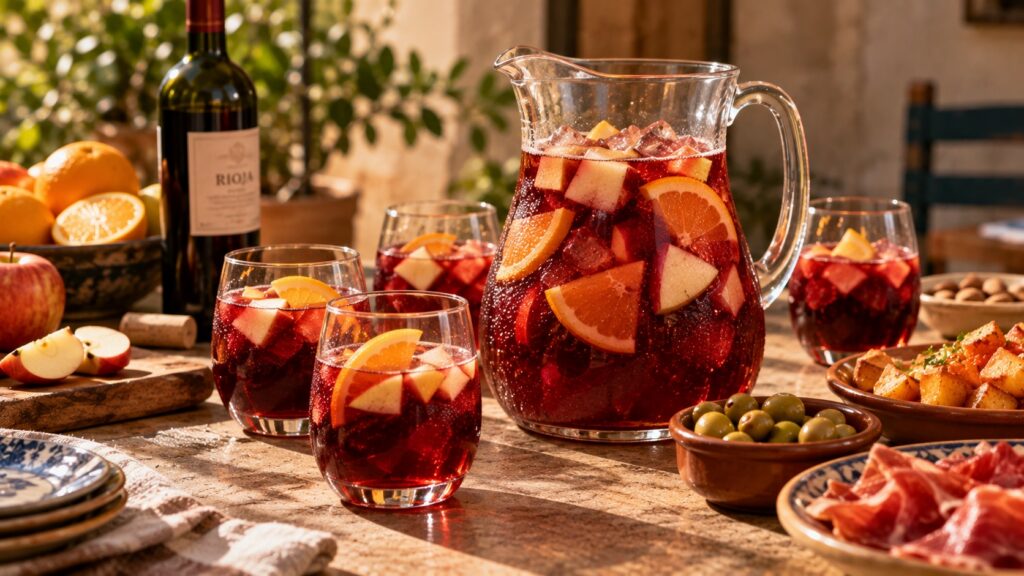
Let’s give Spain’s most famous export its moment. Sangría might be more common on tourist menus than at your average neighbourhood bar, but that doesn’t make it any less deserving of its place among the most beloved alcoholic Spanish drinks. At its heart, it’s a wine punch, traditionally made with red wine and fresh fruit. The secret is giving the ingredients time to mingle before serving.
Ingredients (serves 8)
- 1020 ml Dry Spanish red wine
- 2 Peaches
- 2 Oranges
- 1 Lemon
- 2 Bananas
- 1 Apple
- 60 g Sugar
- 75 ml Water
- 1 Cinnamon stick
- 330 ml Orange soda
- Ice, to serve
Method
- Dissolve the sugar in the hot water to make sugar syrup, then leave to cool
- Pour the red wine into a large bowl or pitcher and stir in the syrup and juice of one orange
- Peel and chop the peaches, bananas and apple into small pieces, then slice the remaining orange
- Add the fruit to the wine, followed by the lemon juice and cinnamon stick
- Cover and refrigerate for 2–3 hours to let the flavours mingle
- Transfer to a serving pitcher if needed, add the orange soda just before serving and stir gently
- Serve over ice, with some of the fruit in each glass
Tip: Don’t rush the resting time. A couple of hours in the fridge gives the fruit a chance to infuse the wine. Save the soda and ice for the last minute so your Sangría stays bubbly without becoming watered down.
Tinto de Verano
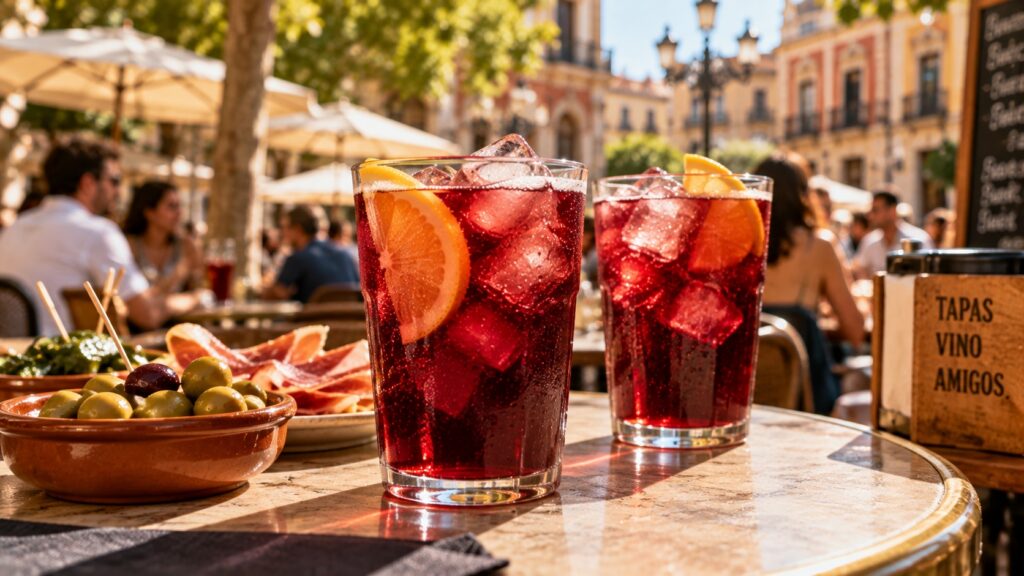
If Sangría is the international superstar, Tinto de Verano is the laid-back local you’ll find everywhere, particularly when temperatures climb.
Literally meaning “summer red wine”, this popular Spanish drink calls for just red wine and lemon soda. No chopped fruit, no overnight infusions, no complicated shopping list—perfect for low-effort parties or last-minute visitors.
Ingredients
- 3 oz Red wine
- 3 oz Lemon soda or gaseosa
- Ice
- 1 Lemon slice, to garnish
Method
- Fill a large glass with ice
- Pour in the red wine and top with lemon soda
- Stir gently and garnish with a lemon slice
For a less sweet version, use traditional Spanish gaseosa, a lightly sweetened sparkling soda, instead of a strongly flavoured lemon-lime soft drink.
Kalimotxo
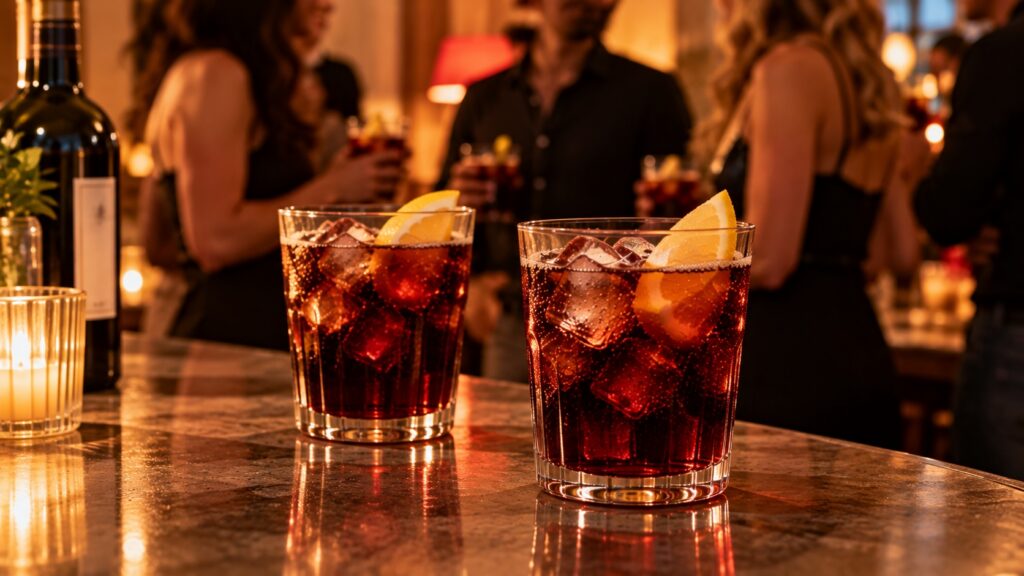
Red wine and cola. Yes, really. Before you question the entire Spanish cocktail establishment, hear us out.
Kalimotxo (also spelled calimocho) is a Basque favourite that became popular through festivals and youth gatherings. A popular origin story traces its name to a 1970s celebration in the Basque town of Algorta, where mixing less-than-stellar wine with cola turned out to be a rather clever rescue mission.
Ingredients
- 3 oz Red wine (inexpensive and fruity will do the job)
- 3 oz Cola
- Ice
- 1 Lemon wedge, optional
Method
- Fill a tall glass with ice
- Add the red wine and cola in equal measures
- Stir gently and add a lemon wedge if desired
Rebujito
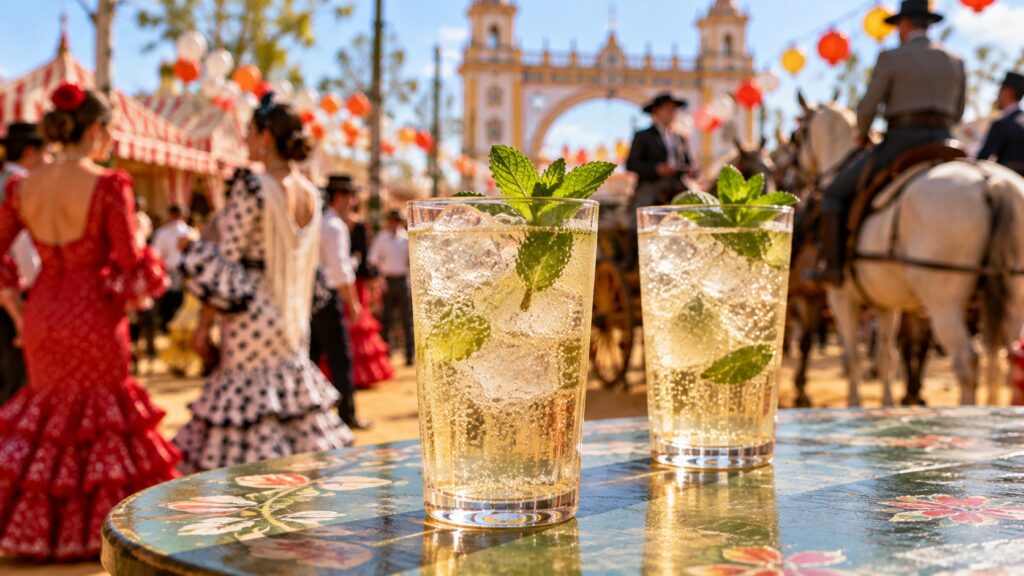
If you’ve ever experienced a spring fair in Andalusia, you might already know the Rebujito. Often served in jugs for sharing, it’s practically part of the dress code, alongside flamenco dresses and impossibly elegant horses.
This classic Spanish cocktail is especially associated with Seville’s Feria de Abril and combines dry sherry with lemon-lime soda, served cold with mint. Bubbly and gently herbal—has it tickled your curiosity yet?
Ingredients
- 2 oz Fino or Manzanilla sherry
- 4 oz Lemon-lime soda
- Ice
- 1 Fresh mint sprig, to garnish
Method
- Fill a tall glass with ice
- Pour in the chilled sherry
- Top with lemon-lime soda and stir gently
- Add a sprig of mint, lightly tapping it between your hands first to release its aroma
Agua de Valencia
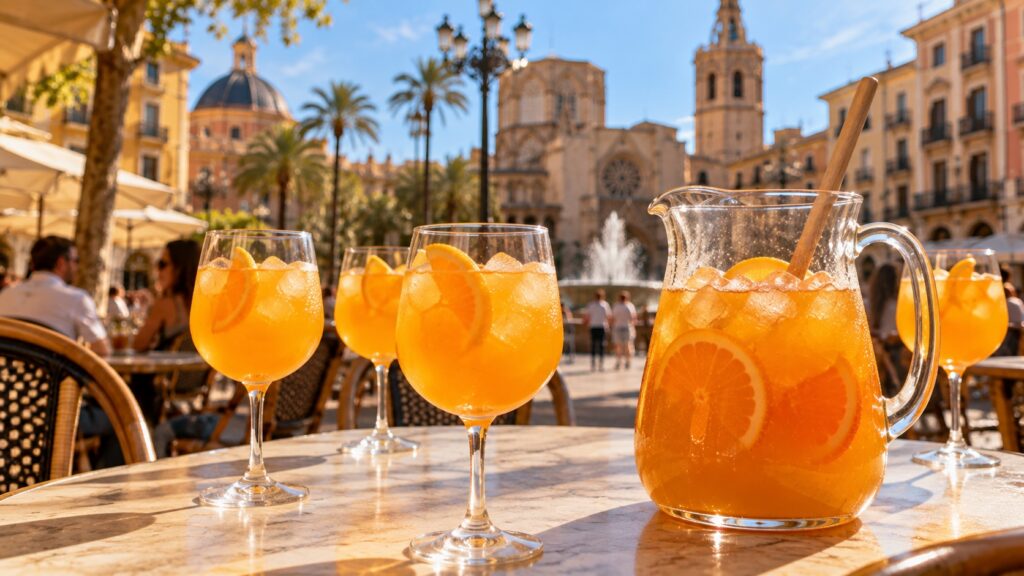
Don’t let the name fool you. Valencia’s famous water has quite a bit more personality than anything coming out of the tap.
Sparkling and colourful, Agua de Valencia is a Spanish cocktail with vodka that gives freshly squeezed orange juice its well-deserved moment of glory. Add cava and gin, and you’re magically transported to Valencia’s traditional café culture, perhaps even back to the late 1950s, when the drink was reportedly created at Café Madrid.
Ingredients
- 2 oz Fresh orange juice—Valencia oranges get bonus points for authenticity, but any fresh, juicy oranges will do
- 2 oz Chilled cava
- 0.5 oz SKYY Vodka (opens in new window)
- 0.5 oz Bulldog London Dry Gin (opens in new window)
- ½ tsp Sugar (optional, to taste)
- Orange slices, to garnish
Method
- Combine the orange juice, vodka, and gin in a pitcher
- Add sugar if needed and stir until dissolved
- Refrigerate until thoroughly chilled
- Gentry pour in the cava, just before serving
- Garnish with orange slices
The Spanish gin tonic ritual

The Spanish-style gin-tonic became a phenomenon in the country’s bar scene, turning a familiar highball into an elaborate after-dinner ritual. And if you’re wondering why the glass looks big enough to house a small goldfish, there’s a reason for that.
The signature copa de balón, or balloon glass, provides plenty of space for ice and botanical garnishes while concentrating the drink’s aromas near the rim. Presentation matters, but so does restraint: the garnish should complement the gin, not turn your glass into a miniature garden.
For a Spanish-inspired take on our Gin and Tonic recipe, try this build. As for the timing, save this one for after dinner, when the meal is over but nobody is in any particular hurry to leave the table. Now that’s a custom worth adopting.
Ingredients
- 2 oz London Dry Gin (we recommend Bulldog or Bickens (opens in new window))
- 4–6 oz Premium tonic water, chilled
- Plenty of large ice cubes
- (for garnish, choose between) juniper berries, pink peppercorns, star anise, cardamom pods, cloves, or cinnamon sticks
- Sliced citrus
- Fresh herbs
Method
- Fill a large balloon glass generously with ice and stir briefly to chill the glass
- Pour in the gin
- Slowly add the chilled tonic water to preserve the bubbles
- Stir once, gently
- Add the garnish, citrus and herbs
Bulldog’s botanical profile makes it a great match for citrus and aromatic herbs. Bickens is another option if you prefer a classic juniper-forward base.
La hora del vermut: Spain’s aperitif tradition
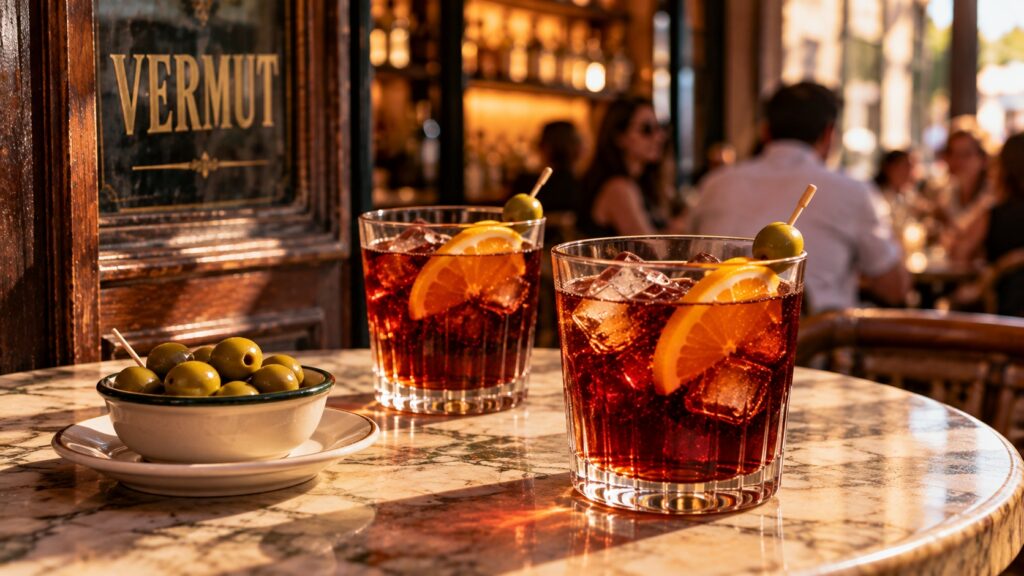
It’s noon on a Sunday in Madrid. The bars are filling up, plates of olives are making their way across the counter, and nobody’s checking the time. Welcome to la hora del vermut.
Spain’s vermouth hour is a century-old social ritual, traditionally enjoyed before lunch. The usual order is vermut rojo, a sweet, aromatic red vermouth served over ice with an orange slice and often an olive. Some bars add a splash of soda, while others proudly pour their own vermouth straight from the tap.
Despite the name, the occasion isn’t strictly about vermouth. In Andalusia, a chilled glass of fino or manzanilla sherry might be the Spanish aperitif drink of choice, especially alongside seafood or salty tapas.
Sound familiar? Italy has its own take on the pre-dinner gathering. Discover the similarities in our Aperitivo hour guide, and perhaps make room in your calendar for both traditions.
Spanish brandy and rum serves
Spain’s love affair with wine is well documented, but its spirits deserve a little attention, too.
Start with Brandy de Jerez, produced and aged in the Jerez area of Andalusia using a traditional solera system. It’s rich, smooth, and often enjoyed neat after a meal. If you’re exploring Spanish brandy cocktails, try stirring it with a little sweet vermouth and bitters for a Manhattan-inspired twist with a distinctly Andalusian accent.
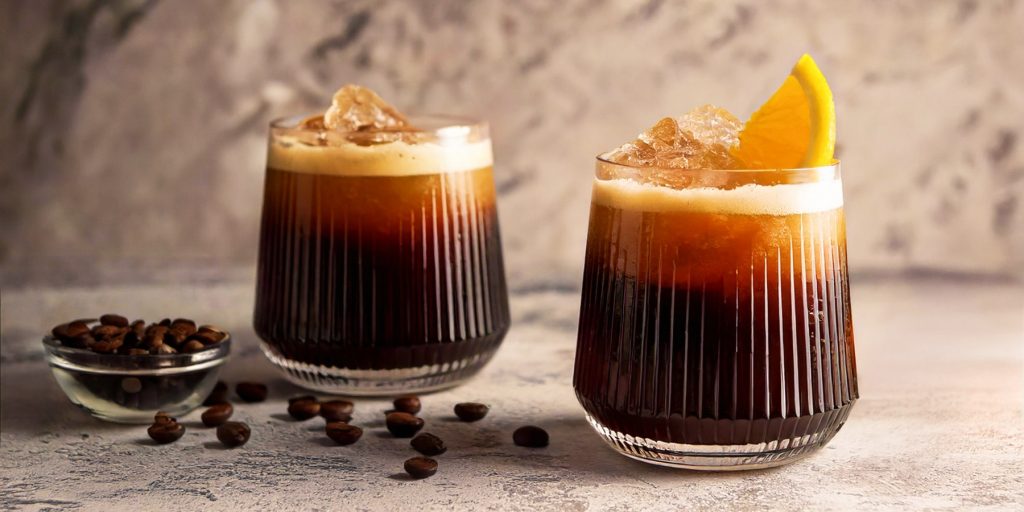
Then there’s the Carajillo, Spain’s spirited answer to an ordinary coffee break. Traditionally made by adding brandy, rum, or another liquor to coffee, it’s often served hot, sometimes with sugar and spices. The drink later found a second home in Mexico, where a chilled version made with Spanish liqueur became particularly popular.
And don’t forget the Canary Islands, where ron miel, or honey rum, has become a regional specialty. Sweet, aromatic, and typically served chilled, it’s delicious on its own. For a simple Spanish-inspired rum cocktail, try combining it with fresh lime juice and soda water over ice. The honey brings plenty of sweetness, so there’s usually no need for additional syrup.
The Old Spanish: the famous cocktail that doesn’t exist
Ever heard of the Old Spanish cocktail? If you haven’t, congratulations. You’ve successfully avoided a rather entertaining piece of television nonsense.
The Old Spanish comes from the sitcom 30 Rock, where the drink is presented as a combination of red wine, tonic water, and olives. There’s no established traditional recipe or official set of measurements, because, well, the whole thing was made up. It’s an intentionally ridiculous invention, not some forgotten Spanish classic rescued from a dusty bartender’s manual. Naturally, that hasn’t stopped curious drinkers from searching for an Old Spanish cocktail recipe.
Could you actually drink it? Of course. Would we recommend it over a Tinto de Verano? Let’s just say Spain has already solved the wine-and-soda equation rather brilliantly. Still, if you ever order one and notice the bartender smiling, don’t say we didn’t warn you.
Alcohol-free Spanish sips
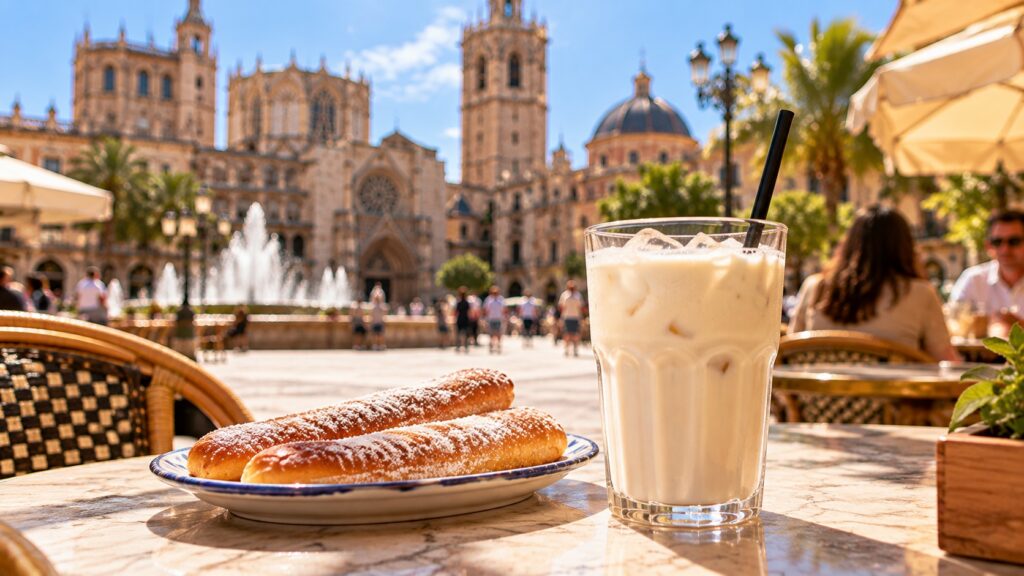
They might not be the first things that come to mind when you picture Spain’s legendary nightlife, but there are plenty of non-alcoholic Spanish drinks that locals treasure just as much.
Horchata de chufa
Forget the rice-based horchata you might know from Mexico. Valencia’s version is made from tiger nuts (chufas), water, and sugar, creating a creamy, subtly nutty drink that’s served ice-cold. For the full local experience, pair it with fartons, the long, soft pastries traditionally dipped into it.
Mosto
At many Spanish bars, mosto offers a wine-like experience without the alcohol. It’s unfermented grape juice, sometimes served chilled with ice and a slice of lemon, or even an olive. Simple, sweet, and perfectly at home alongside tapas.
Virgin Tinto de Verano
You can also give one of Spain’s easiest wine cocktails an alcohol-free makeover. Mix equal parts non-alcoholic red wine and lemon soda over plenty of ice, then finish with a lemon slice. All the terrace vibes, none of the alcohol.
Bringing Spanish drinking culture home
You don’t need a fully stocked bar to bring a little Spanish spirit to your next gathering. Start with two or three easy Spanish cocktails that suit the occasion. A pitcher of Tinto de Verano is ideal for a sunny afternoon, while Rebujito brings a taste of Andalusia to a garden party. Planning a longer evening? Save the gin-tonics for after dinner.
Keep the food just as uncomplicated. Bowls of olives, salted almonds, good bread, and a few tapas give everyone an excuse to linger. Serve drinks alongside food and let guests settle into the evening at their own pace.
That’s perhaps the loveliest thing about authentic Spanish drinks: they’re rarely just about what’s in the glass. They’re about the people around it, the food on the table, and the pleasure of not having anywhere else to be.
Ready to say ¡salud! to your next gathering? Keep browsing The Mixer for more cocktail inspiration from around the world. We promise not to judge if there’s cola in your wine.
FREQUENTLY ASKED QUESTIONS
Spain has plenty of reasons to raise a glass. From famous Spanish cocktails to local favourites, here’s what deserves a spot on your drinks radar.
- Traditional Spanish drinks: Discover how Spain’s drinking culture goes beyond Sangría, with regional favourites and social rituals worth getting to know.
- Wine-based cocktails: Sangría, Tinto de Verano and Kalimotxo show just how versatile a bottle of red wine can be.
- Regional specialities: Try Andalusia’s sherry-based Rebujito and Valencia’s orange-and-cava cocktail, Agua de Valencia.
- Spanish drinking rituals: Explore the after-dinner gin-tonic tradition, la hora del vermut, and local brandy, rum and coffee serves.
- Unexpected discoveries: Meet the fictional Old Spanish cocktail from 30 Rock and alcohol-free favourites like horchata de chufa and mosto.
- Bring Spain home: Find easy Spanish cocktails and simple hosting ideas to give your next gathering a Spanish twist.