The Blue Agave Story: The Heart of Tequila
Jump to:
Tequila’s soul is written into the red and grey earth of Jalisco, Mexico. Beneath wide skies, the long, spiny leaves of the blue agave plant reach toward the sun, silently converting sunlight and terroir into the sugars that define Mexican tequila. This is where every bottle begins its journey, and understanding what makes 100% blue agave tequila so extraordinary starts with understanding the plant that makes it possible.
What is blue agave?
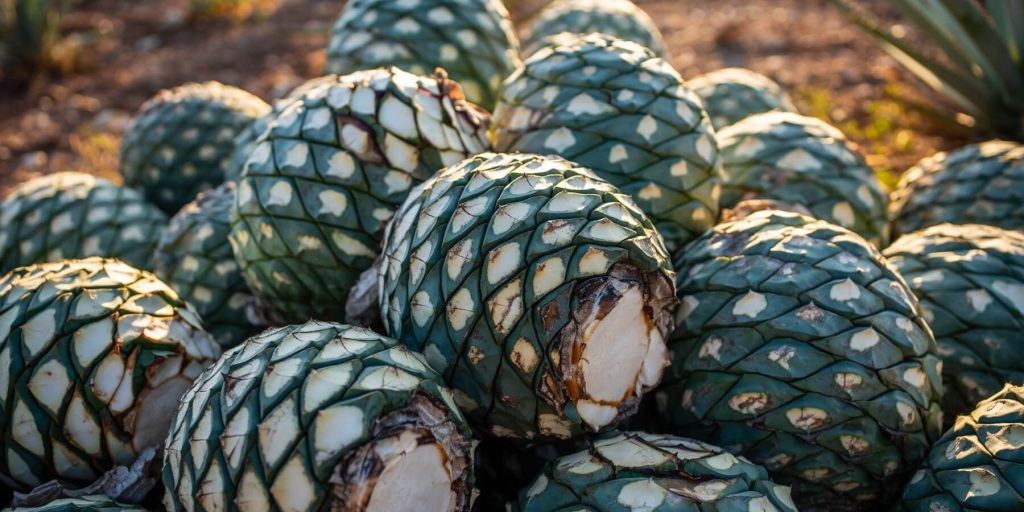
The blue agave plant is the spiky heart of tequila, and it’s found growing in the fields around the town of Tequila. It’s officially known as Weber Blue Agave (Agave tequilana) and is the only variety permitted for tequila production under Mexican law. What makes it special is its unique flavor profile and naturally high sugar content. This means it’s ideal for fermentation, and why do we love fermentation? You guessed it, tequila cocktails.
Unlike fast-growing commodity crops, blue agave is an ancient agricultural commitment that goes back to the 16th century when the Spanish first introduced distillation. A blue agave plant takes six to eight years or more to reach full maturity. During this time, under the scorching sun, the agave slowly stores tasty sugars in its core, or piña. This slow maturation gives tequila its depth, sweetness, and unique complexity.
It’s a process that rewards patience and precise timing. Pluck it early, and you sacrifice sweetness and its characteristic earthy, herbal, citrus, floral, and pepper flavors. Blue agave isn’t farmed for speed or a quick buck. It’s cultivated for character. To deliver the best blue agave tequila, it must be treated with the time-honored respect it deserves.
Where blue agave grows—and why terroir matters
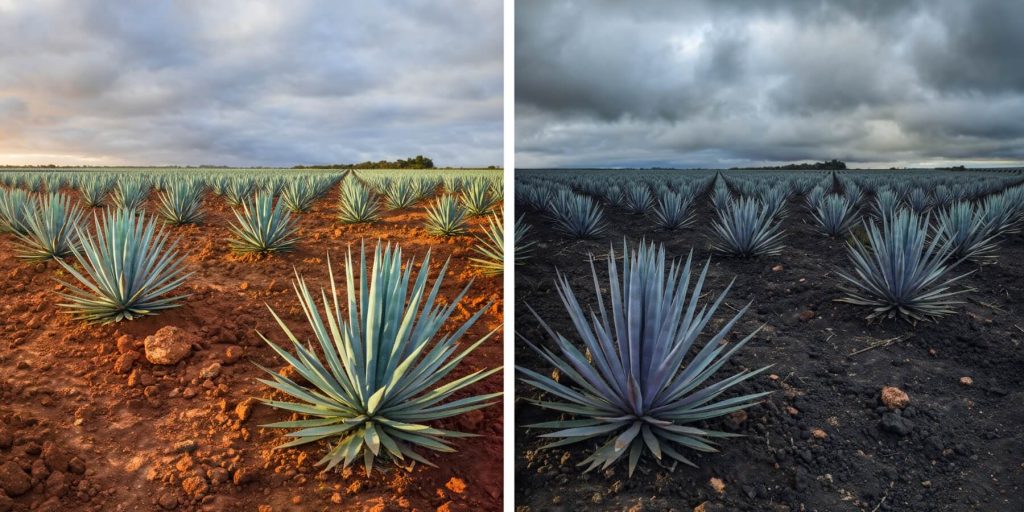
Just like coffee beans for your morning brew and grapes for fine wine, the blue agave plant’s soul is forged in its terroir. Mexico’s unique combination of soil, climate, altitude, and rocky geography infuses the piña hearts with complex flavors. Mother Nature weaves the foundation, and through a careful process, the farmer and master distiller bring the spirit of tequila to life.
Tequila is produced primarily in two main regions of Jalisco: Los Altos (the Highlands) and El Valle (the Lowlands). In the Highlands, the blue agave plants grow at high altitudes in the iron-rich, red clay soil. Intense sunlight and cooler nights create the perfect conditions for plants to produce higher sugar levels. Tequilas made from this blue agave are often lighter and brighter with floral, fruity, tropical, and citrus notes.
In the Lowlands, blue agave plants are grown in dark grey volcanic soil. The temperature is fairly stable with minimal variation between day and night. Tequila flavor profiles from this region are earthier with more peppery and herbaceous notes. They can often feel bolder, drier and more lip-smackingly savory in taste. Each region represents a different distillation of blue agave that’s shaped by sun, soil, rainfall, altitude, and careful tending.
Explore more: Mezcal vs. Tequila (Key Differences, Taste & How to Use Them in Cocktails).
From field to piña: how blue agave is farmed and harvested
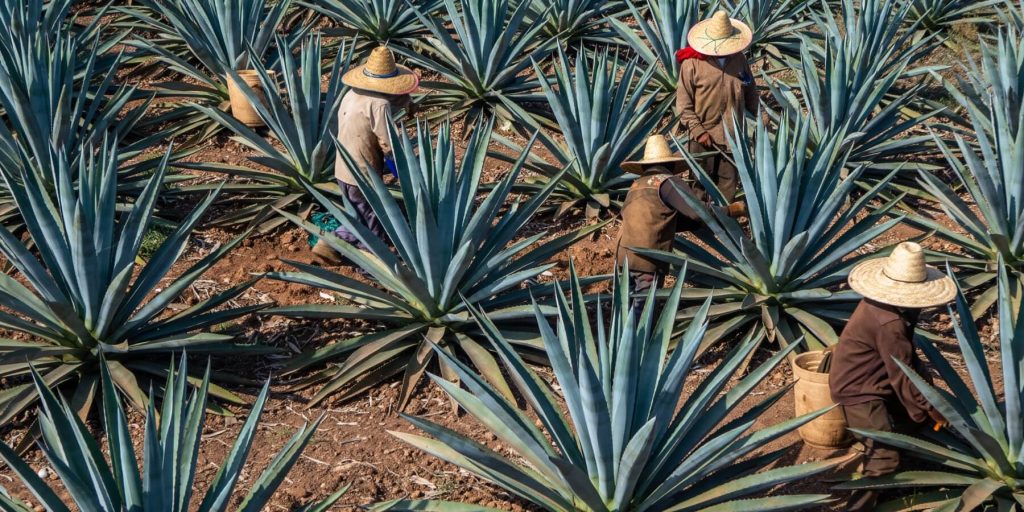
There are no shortcuts to making great tequila, and it all begins in the field with the mighty jimadores. These highly skilled field workers are the beating heart of tequila production. Working long hours under the scorching sun, they methodically care for, select, and process each blue agave plant by hand.
The jimadores prune sharp leaves year after year, so the agave focuses its energy on growing sugar-filled piñas. When the plants reach full maturity, these craftsmen deftly wield a specialized blade called a ‘coa’ to trim the leaves and reveal the heart of the agave.
Timing is everything, and a skilled jimador uses experience and observation to know when an agave is ready. Harvest it too young, and the spirit lacks depth. Harvest it too late, and the sugars can become overly fibrous and bitter. After six to eight years, the leaves begin to soften and droop. This means the plant is directing its energy into storing sugars in its core.
The agave piñas become heavy and dense. The appearance of a flowering stalk, known as a ‘quiote,’ signals that the plant is about to use its sugars. This knowledge is handed down through generations, and the jimadores wait for the precise moment when sweetness, balance, and flavor potential are peaking. Every perfectly ripe piña is the result of years of care and a watchful eye.
Celebrate good vibes: Festive Tequila Cocktails to Try This Season.
How production choices shape tequila’s flavor
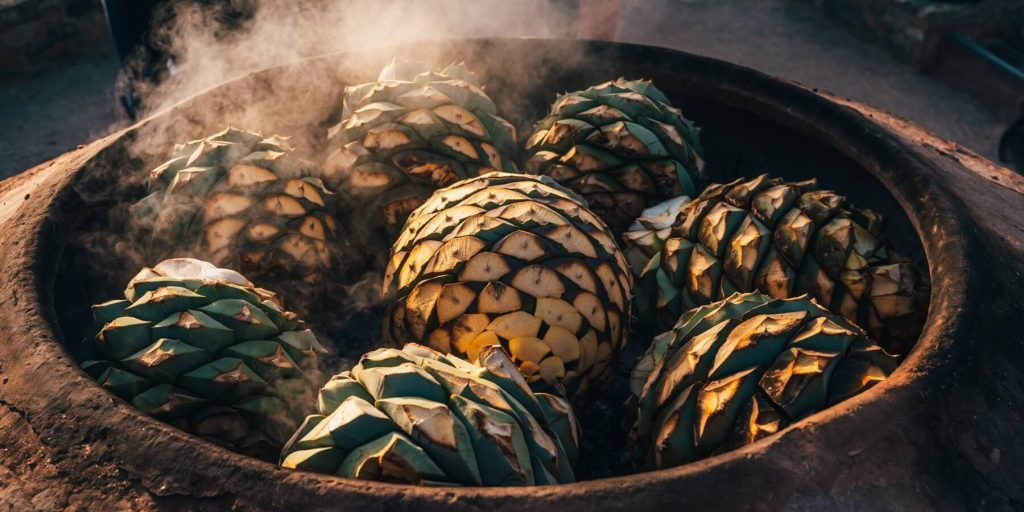
Far from the fields of their birth, the next chapter in our blue agave tequila story begins. Using ancient techniques and modern technology, production is where the distiller leaves his fingerprint on the spirit.
The harvest is chopped into smaller chunks, ready for the tequila production process. Traditional clay ovens roast the piñas slowly. The natural sugars caramelize to create complex and rich roasted agave flavors. Faster modern methods, like those used at Espolòn (opens in new window), feature autoclaves that cook under pressure to get the best of both worlds with a clean agave flavor. As the piñas steam, the fibers break down and release their secret store of fermentable sugars.
Once all the sugary liquid has been extracted, it’s inoculated with yeast, and this is where the magic begins. This kickstarts the fermentation process as those sugars are slowly alchemized into alcohol. During the process, much of tequila’s personality is developed as a host of flavor and aromatic compounds are produced. At Espolòn, a signature yeast is used during the fermentation process, and classical music is played throughout. It’s a playful nod to the idea that soundwaves spur the yeast into action.
Distillation is the moment where raw potential is evaporated into refined character. Some tequila producers shoot for brightness and purity, while others chase richness and body in every sip. Traditional copper pots add depth, texture, and mouthfeel. A column still produces a crisp, cleaner style. These techniques are often used in tandem to refine flavors and shape the final balance of the tequila.
Every step of the process builds layers of magic into 100% blue agave tequila. Quality begins in the field. Sweetness is born through slow cooking. Flavor and texture are crafted during fermentation and the alchemy of the still. Complexity is earned through patience at every stage, and true agave character shines with the steady guidance of a master distiller.
Get more technical: From Plant to Pour: How is Tequila Made?
Why agave craftsmanship still matters today
The world’s thirst for quality tequila and delicious cocktails is bigger than ever. But with any limited resource and blue agave’s lengthy investment, growth is outpacing agriculture. This leads to shortcuts, rushed harvests, and immature agave. Sure, there are clever production methods that prioritize volume, but flavor is almost always sacrificed.
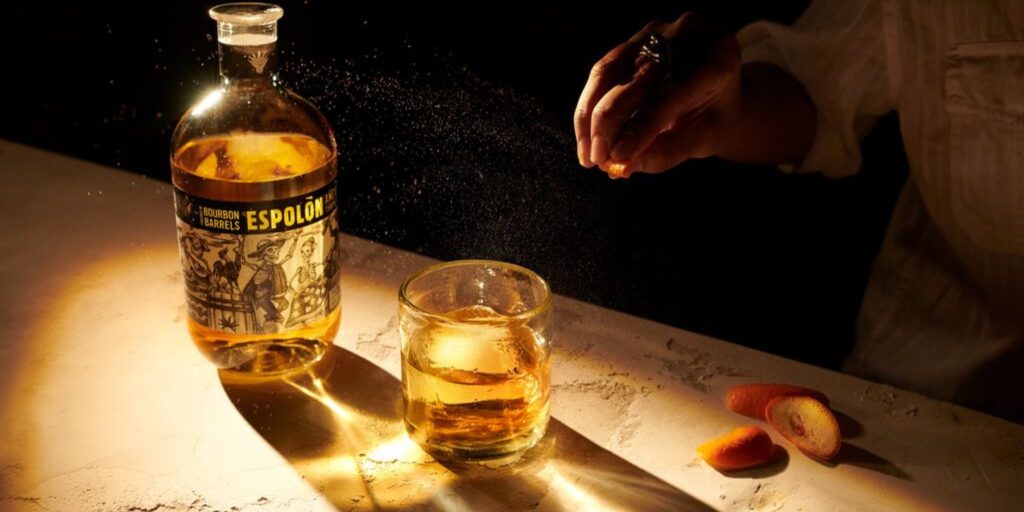
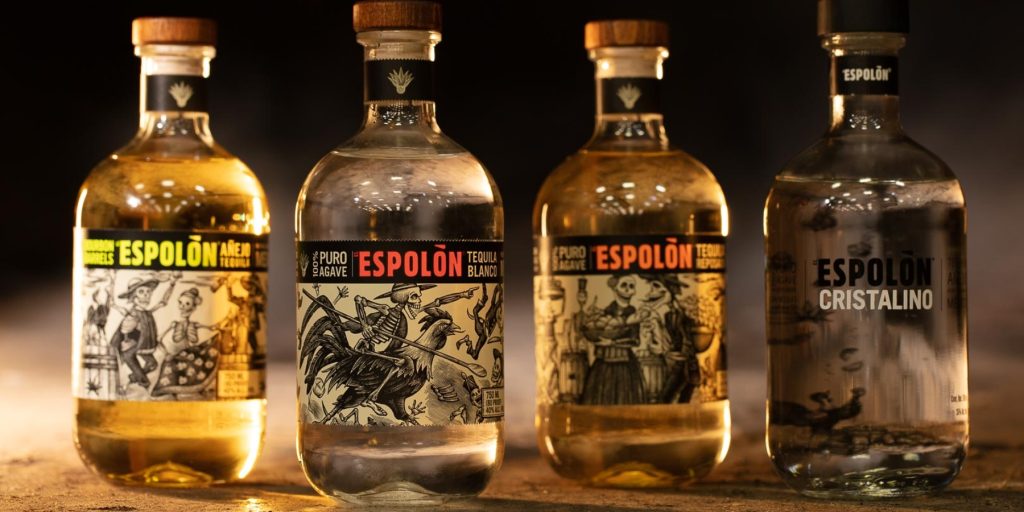
Agave craftsmanship matters more than ever. Keeping traditions alive in the modern age can be challenging, but tequilas like Espolòn are built on respect for Mexican heritage, proper farming, and agave-first production values. From the fields of Jalisco’s High and Lowlands to the distillery floor, Espolòn honors the soul of the spirit, its traditions, and the people behind every bottle. No shortcuts, no half measures, just pure tequila craftsmanship every step of the way.
How blue agave shows up in the glass
By now your brain is full of agave knowledge, but what does it all mean when you finally take a sip? Blue agave tequila is bright, vibrant, and expressive with natural sweetness. Expect bold aromas and flavors of pepper and citrus with floral and herbal notes from the agave terroir. A well-balanced tequila should be smooth and rounded with a clean, lingering finish that never feels too harsh.
Tequilas like Espolòn can be sipped neat or mixed into summer or winter cocktails. The result is a refined tequila experience that’s full of structure, brightness, and mouthwatering depth that only 100% blue agave tequila can deliver.
Ready to dig deeper into the world of tequila? Visit the Espolòn website (opens in new window) and storefronts to explore the brand’s agave-first philosophy. Discover more tequila stories (opens in new window) and cocktails (opens in new window), and don’t forget to sign up for our newsletter (opens in new window) for the latest insights, trends, and drinkspiration!