Aperitif vs Digestif: What’s the Difference?
You’ve sorted the menu, the table looks good, and someone’s already asking what’s to drink (before dinner’s even started). That question, aperitif or digestif?, is easier to answer than it sounds, and knowing the difference makes you look like you’ve been hosting like this for years (even if you’ve been winging it until now).
Let’s look at what aperitifs and digestifs actually are, how they differ, the most popular drinks in each category, and the best cocktails to serve before or after dinner. Along the way, you’ll also get practical tips for matching the right drink to the occasion, be that a casual backyard gathering, a formal dinner, or a brunch that slowly turns into an afternoon.
Jump to:
You’ve sorted the menu, the table looks good, and someone’s already asking what’s to drink. Luckily, the what to offer before and after dinner question is easier to answer once you know the difference between an aperitif and a digestif.
Think of them as the opening act and the encore. If you’re after something bright, bitter, and crisp, an aperitif is your friend. If you want something smooth, herbal, or warming once the plates are cleared, that’s what digestifs are for.
What is an Aperitivo
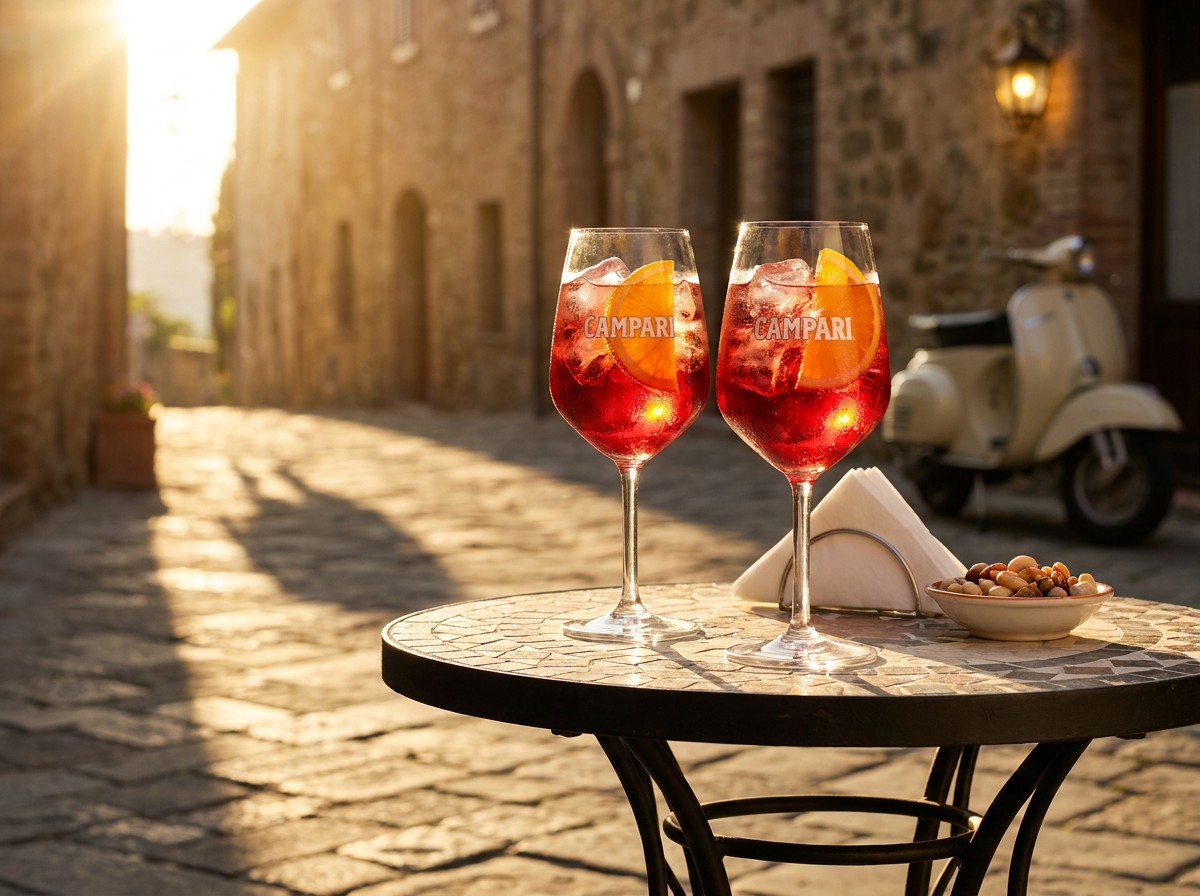
An aperitif is the drink that steps in before the food does. Served before a meal, it wakes up the palate, eases guests into the table, and buys the cook a few extra minutes, without anyone staring too hard at the oven.
Because of this role, aperitif drinks tend to be light, bitter, bubbly, citrusy, herbal, or dry rather than heavy and sweet. In practical terms, that can mean a low-ABV pour such as vermouth, a bitter aperitivo like Aperol or Campari, a sparkling spritz, or a classic before-dinner cocktail. The focus is always on balance: something that prepares the palate rather than overpowers it.
What makes aperitif culture so enduring is its flexibility. It fits naturally into the gap between the end of the working day and sitting down to eat. It can be a quiet glass after work, a round of drinks before a backyard gathering, or the opener to a more polished dinner party. It’s less a fixed ingredient and more a moment: a low-key ritual that marks the shift from the pace of the day to the pleasure of the table. If you want more examples, this guide to aperitif cocktails breaks down classic pre-dinner serves and how to choose one.
What is a Digestive
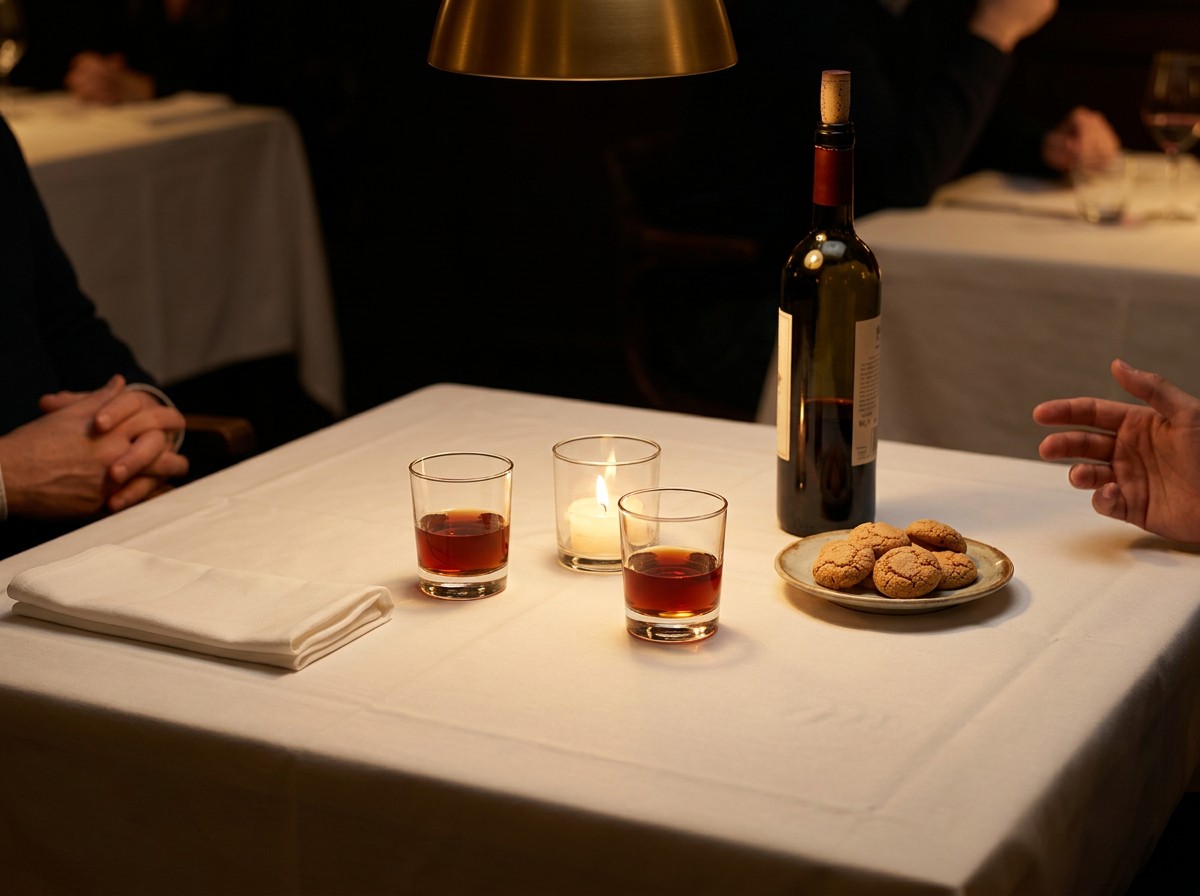
A digestif is what you pour when dinner has done its job, and nobody is in a rush to leave. It is served after a meal, often as a final sip once the plates are cleared and the pace slows down.
What does digestif mean? Simply put, the digestif definition is the mirror image of an aperitif: a drink served after dinner, tied to that slower end-of-evening moment when flavours can go deeper, richer, sweeter, more herbal, or more warming.
A digestif drink is usually a neat pour or after-dinner cocktail with a more concentrated profile than an aperitif. Common digestif drinks include amari, limoncello, grappa, brandy, Cognac, sambuca, and some whiskeys. Many are herbal, citrusy, sweet, bitter, smooth, or warming.
A quick note: digestifs are part of dining tradition, not a health promise. Some people enjoy them because they feel like a satisfying close to a meal, but it is better to think of a digestif as a flavour and occasion choice rather than a guaranteed aid to digestion.
Aperitif Drinks
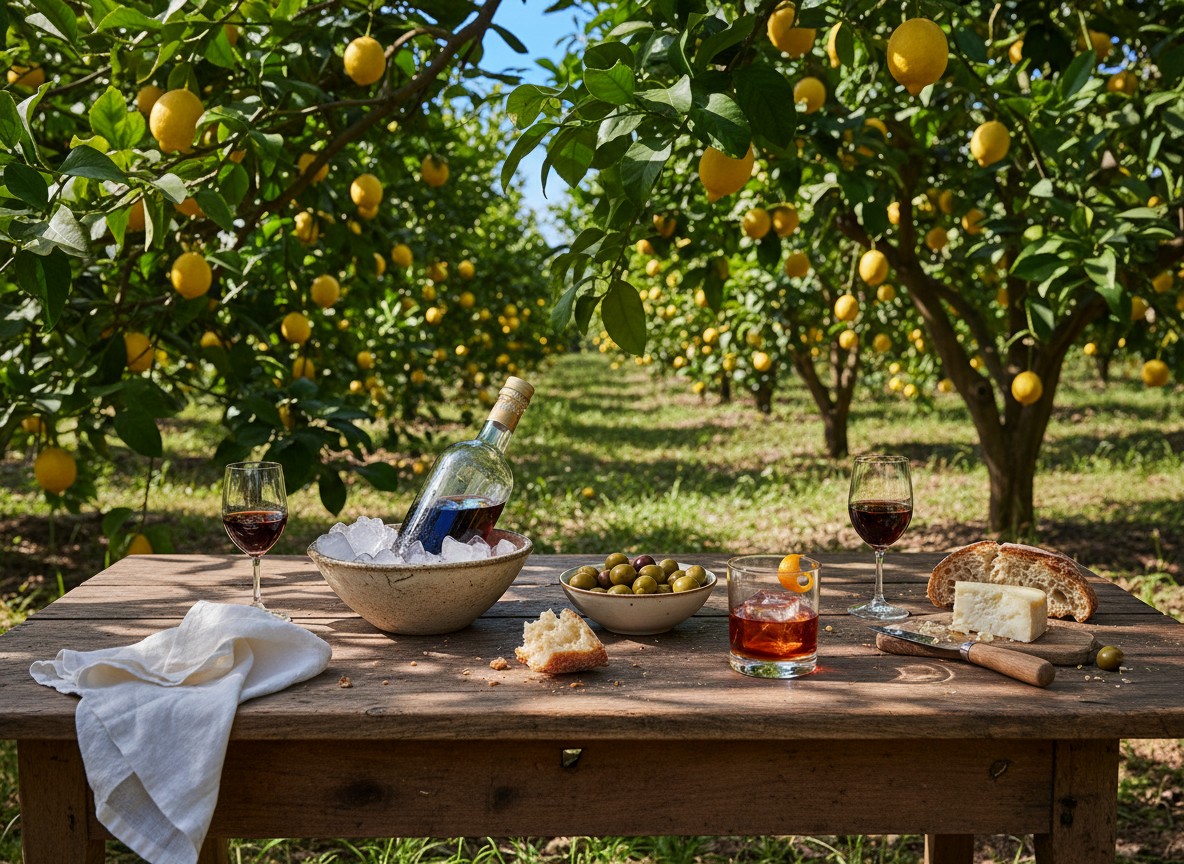
Aperitif drinks are built around vermouth, bitter aperitivi, citrus, and low‑to‑moderate alcohol content. They’re typically served chilled, over ice, or with sparkling elements, keeping the experience light and refreshing.
Cocktails
Aperol Spritz – Bright, lightly bitter, bubbly, and easy to sip. A go‑to pre‑dinner cocktail that works just as well for brunch, warm afternoons, or casual hosting.
Campari Spritz – Similar in structure to a spritz, but more bitter and intense. A good choice when you want a sharper herbal edge.
Americano – A relaxed but balanced mix of bitter, sweet, and sparkling elements, ideal when you want something lighter than spirit‑forward cocktails.
Martini – Dry, clean, and elegant. Served cold and well balanced, it works especially well before a formal dinner or seafood‑led meal.
Garibaldi – A bright, citrus‑led cocktail combining bitter aperitivo and orange juice, sitting comfortably between brunch and classic aperitif hour.
Digestif Drinks

Digestifs focus on depth, warmth, and lingering flavor, and are typically enjoyed after a meal in smaller pours. They range from bitter and herbal to sweet and spirit‑forward, helping the evening slow down rather than restart.
Cocktails
Black Manhattan – A darker take on the Manhattan, often made with whiskey and amaro instead of sweet vermouth. Rich, bitter, and warming.
Espresso Martini – A coffee‑led classic with a smooth, slightly sweet profile, ideal when you want something lively but still after‑dinner appropriate.
Brandy Alexander – Creamy, rich, and dessert‑like, perfect when you want something silky rather than bitter.
Rusty Nail – Simple and whiskey‑led, with just enough sweetness and spice to feel calm and unhurried as the night winds down.
How to Choose Between an Aperitif and a Digestif Based on the Occasion

Most of the time, the occasion makes the choice for you. Before a meal, aperitifs keep things light, crisp, and refreshing, whether you are hosting casually, setting up a formal dinner, or pouring something easy for brunch. After the meal, the mood shifts toward slower, more settling drinks, where digestifs bring depth, warmth, and a more complete finish alongside coffee or dessert. If you are deciding between the two, think in terms of weight and timing: lighter, brighter drinks suit the start of an occasion, while richer, smoother pours make more sense once everything winds down.
Which is better, aperitif or digestif? Neither. They do different jobs, and knowing which one fits the moment is really all you need.
The aperitif hour deserves a great glass. Browse our aperitif cocktail recipes for the best pre-dinner serves, or head straight to our Negroni and Americano recipes if you already know what you’re after.
FREQUENTLY ASKED QUESTIONS
Get straight to the before-and-after version, if you want the highlights first.
- Aperitif = before dinner: Usually bright, bitter, dry, citrusy, sparkling, or herbal.
- Digestif = after dinner: Usually richer, smoother, sweeter, warming, more aromatic, or more spirit-forward.
- Timing matters most: Aperitifs open the meal; digestifs close it.
- Good aperitif examples: Vermouth, Aperol, Campari, Americanos, Negronis, Martinis, spritzes, and Garibaldis.
- Good digestif examples: Amari, limoncello, grappa, brandy, Cognac, sambuca, whiskey, Black Manhattans, Espresso Martinis, Brandy Alexanders, and Rusty Nails.
- Best rule of thumb: If guests are arriving, keep it bright. If dinner is done, let the drink slow things down.
Ready to put the theory into a glass? Start with a spritz or Americano before dinner, then try a Brandy Alexander or Rusty Nail once the meal is done. Once you feel the rhythm, the aperitif-or-digestif question gets a lot easier to answer.