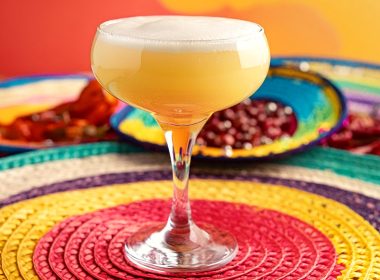
Types of Orange Liqueur: Triple Sec, Cointreau, Grand Marnier and More
Jump to:
Orange liqueur sounds like one simple bottle. Sweet, citrusy, easy enough, right? Not quite. The main types of orange liqueur can vary in alcohol content, sweetness, dryness, citrus intensity, color, base spirit, and how they behave once they land in your shaker.
That’s why orange liqueur types like triple sec, Cointreau, Curaçao, and Grand Marnier often get treated as if they all mean the same thing. They do not. Some are clean and crisp, some are sweeter and richer, and some bring a brandy or Cognac-style depth that changes the whole mood of a drink. Once you understand the different types of orange liqueur, choosing the right bottle for a Margarita, Cosmopolitan, Sidecar, Mai Tai, or any citrus-led classic gets a whole lot easier.
What is Orange Liqueur?
Orange liqueur is a sweetened, orange-flavored spirit used to add citrus aroma, sweetness, and structure to cocktails. At The Mixer, we group them into three main styles: triple sec, Curaçao, and brandy- or Cognac-based orange liqueurs. Some bottles taste bright and dry. Others are richer, sweeter, and more rounded.
So, what is orange liqueur used for? In cocktails, it usually plays the role of citrus-sweet sidekick. It can soften the sharpness of lime or lemon, add orange aroma, and help the base spirit shake hands with the rest of the drink.
You will see orange liqueur in many classic cocktails, including the Margarita, Cosmopolitan, Sidecar, Mai Tai, Between the Sheets, and White Lady. It also works in simple sours, sparkling drinks, and plenty of orange liqueur cocktails where a zesty lift is the whole point.
The key is balance. A dry, crisp orange liqueur can keep a drink sharp and refreshing. A richer one can make the same cocktail feel smoother, deeper, and a little more after-dinner in mood.
The Main Types of Orange Liqueur
The main types of orange liqueur to know are triple sec, Curaçao, and brandy- or Cognac-based orange liqueur. Triple sec and Curaçao are two of the big families to know, while bottles like Grand Marnier sit in a richer lane because they combine orange flavor with a brandy-style base.
Triple Sec: What it is and the different types of Triple Sec
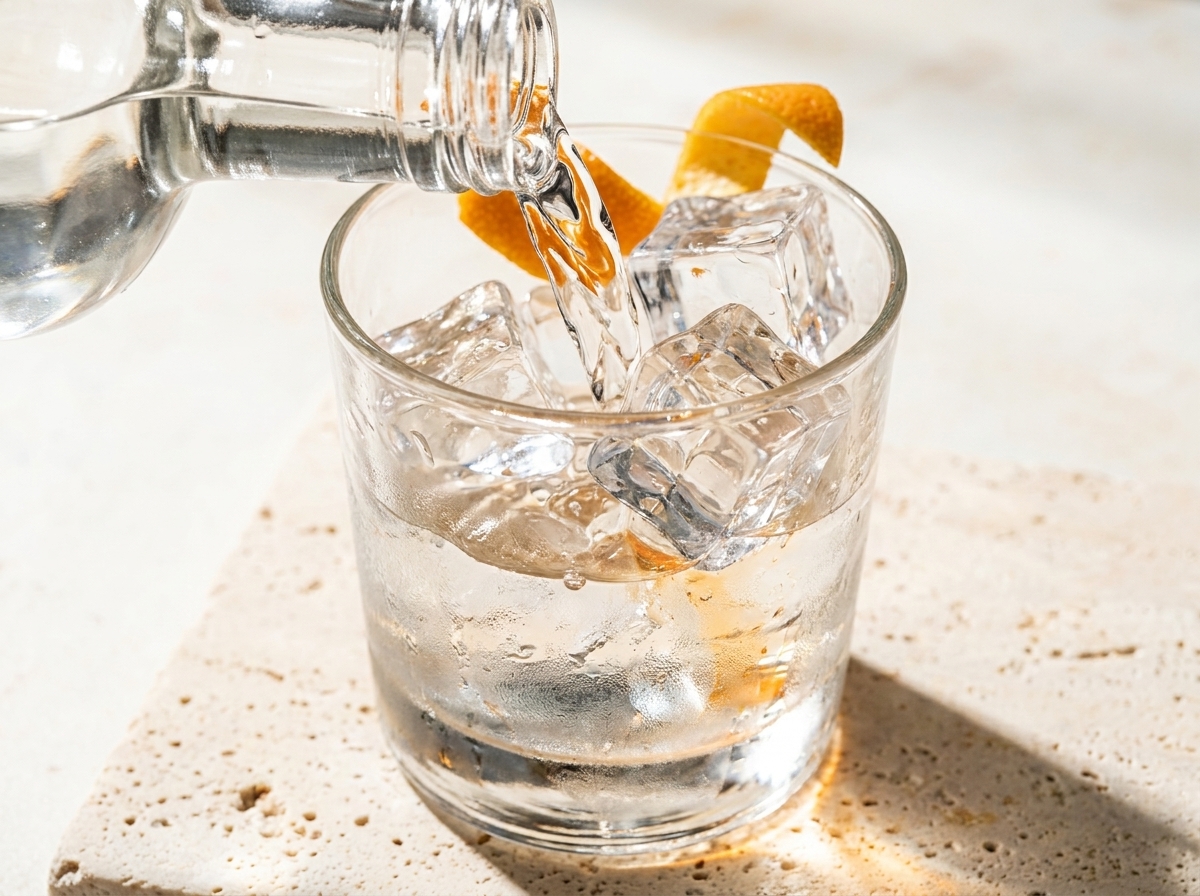
When comparing orange liqueur vs triple sec, the difference is simple: orange liqueur is the wider category, while triple sec is one type within that category. All triple sec is orange liqueur, but not all orange liqueur is triple sec.
Triple sec is a style of orange liqueur that usually tastes bright, clean, and citrus-led. If you are wondering what is triple sec, think of it as the drier, sharper side of the orange liqueur family. It is commonly used in cocktails where you want orange flavor without too much weight.
There are several types of triple sec, from budget-friendly bottles made mainly for mixing to premium versions with a more concentrated orange profile. If you’ve ever made a Margarita with a budget generic bottle and wondered why it tasted a bit flat, the quality gap is usually part of the story. The different types of triple sec can vary quite a bit in sweetness, strength, aroma, and finish, so two bottles may behave very differently in the same drink. Slightly annoying at first? Sure. Useful once you know what you like? Absolutely.
Triple sec types are especially handy in drinks that need a crisp citrus note. Margaritas, Cosmopolitans, White Ladies, and many Sidecars work well with this style because it keeps the drink bright rather than heavy. If a recipe simply calls for “triple sec,” choose based on the drink. For a sharper, drier cocktail, use a cleaner, higher-quality triple sec. For a sweeter, easygoing serve, a softer bottle can work, but you may need to adjust the citrus to keep things lively.
Curaçao: How it differs from Triple Sec
Curaçao is another orange liqueur style, and it is often described as richer or rounder than triple sec. If you are asking what is Curaçao liqueur, the short answer is that it is an orange-flavored liqueur with a long connection to bitter orange peel and the island of Curaçao.
In practical cocktail terms, Curaçao vs triple sec usually comes down to weight, sweetness, and depth. Triple sec tends to read as cleaner and drier. Curaçao can bring a broader orange flavor, sometimes with candied peel, gentle bitterness, or a richer finish.
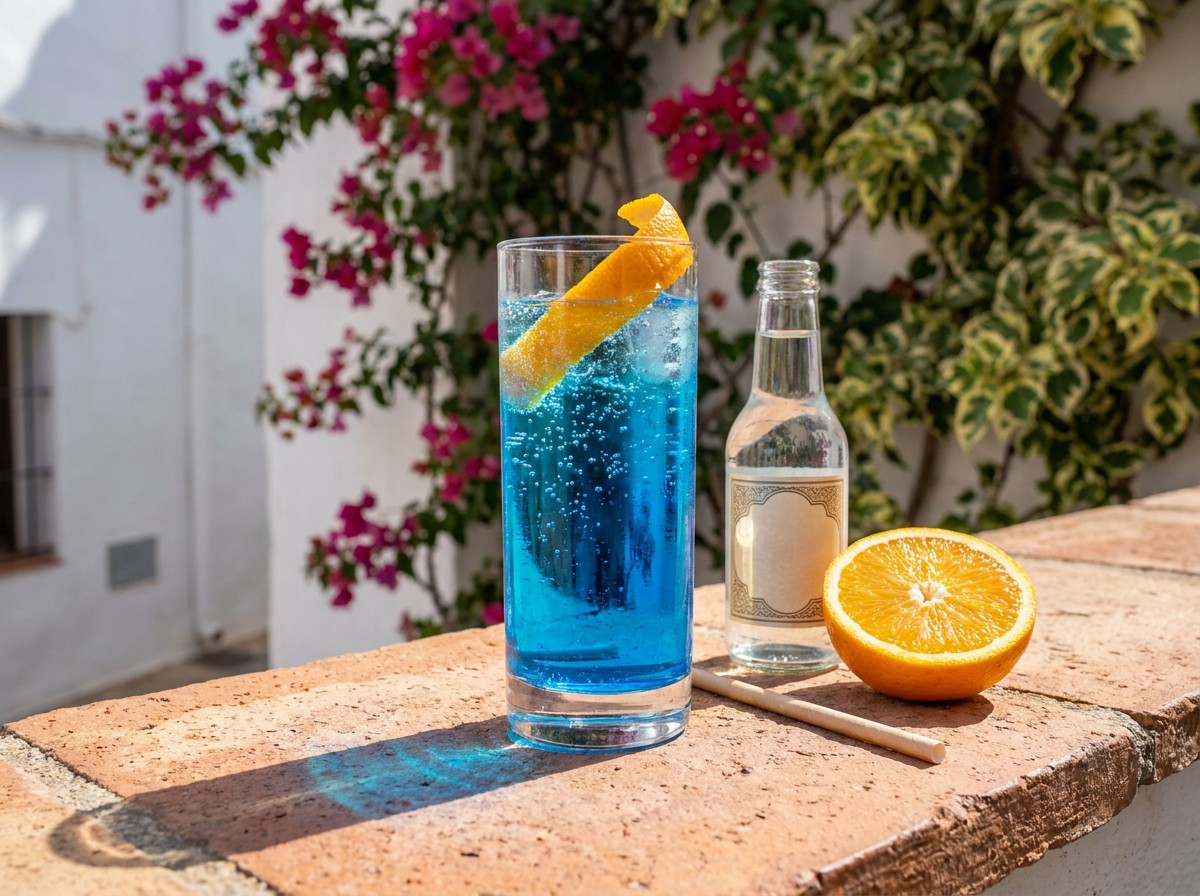
Curaçao can also be confusing because it comes in different colors. Orange Curaçao, dry Curaçao, and blue Curaçao may look very different in the glass, but color alone does not tell you everything about flavor. A blue Curaçao is usually chosen for its color effect as much as its orange note, while dry Curaçao is often used when you want a more grown-up, less sugary profile.
Use Curaçao when a drink can handle a little more roundness. It can work beautifully in tiki-style cocktails, brandy drinks, and classics where a deeper orange note helps tie the ingredients together.
Is Cointreau a type of orange liqueur or a brand?
Cointreau is a specific orange liqueur brand, but it is often mentioned as if it were a category of its own because it is one of the most recognizable references in the world of triple sec.
Technically speaking, Cointreau is a premium triple sec. This means it belongs to the family of drier, brighter, and more citrus-forward orange liqueurs. The difference is that, compared to many generic triple secs, it has a cleaner, more intense, and more balanced profile, which is why it appears so often in classic cocktail recipes.
In simple terms:
Triple sec = the category
Cointreau = one of the most famous brands within that category
For more detail on how it compares with richer orange liqueurs, see this guide to Grand Marnier vs Cointreau.
Different types of Grand Marnier
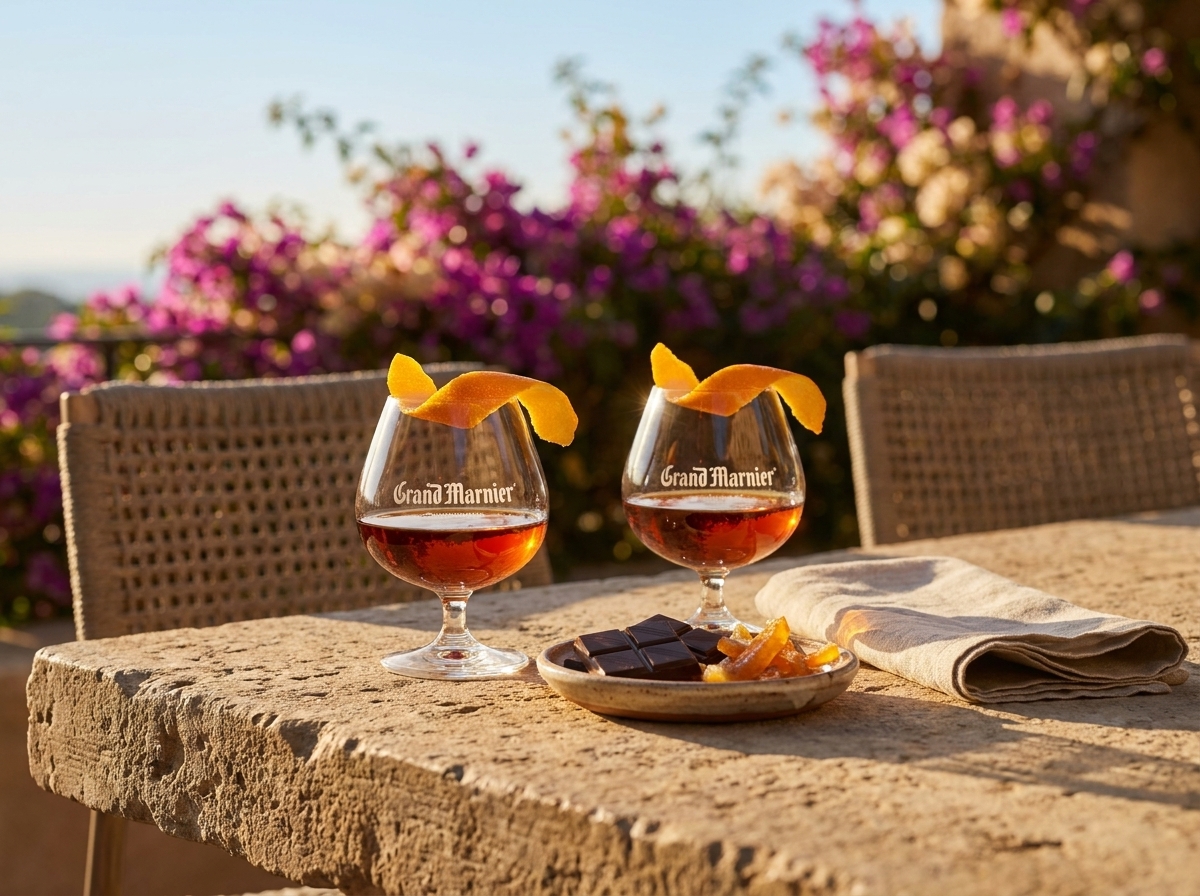
Grand Marnier is a Cognac-based orange liqueur, which gives it a richer, warmer profile than many triple secs. It brings orange flavor, yes, but also more body and depth. That is why it can make a cocktail feel smoother, rounder, and more layered.
When people talk about different types of Grand Marnier, they are usually referring to Grand Marnier varieties within the broader brand family. The most familiar expression is Grand Marnier Cordon Rouge, the bottle most commonly used in cocktails. Other Grand Marnier types may be positioned more for sipping, special serves, or premium gifting, depending on market availability.
The big cocktail difference is weight. Grand Marnier can bring richness where triple sec brings brightness. In a Sidecar, that can be a lovely fit. In a Margarita, it can work too, but the drink may taste fuller and slightly less crisp.
For a deeper comparison, this guide to Grand Marnier vs triple sec is useful when deciding whether you want a clean citrus lift or a richer Cognac-backed orange note.
Orange liqueur by style: dry, sweet, rich and brandy-based
The best orange liqueur for cocktails depends less on the label and more on the style you need. A dry orange liqueur keeps a drink crisp, zesty, and focused. A sweet orange liqueur adds softness and roundness, but it can make a drink feel heavy if the recipe already includes syrup or sweet juice.
A dry style is useful when the cocktail has plenty of citrus. Think Margaritas, White Ladies, and other sour-style drinks where you want the orange flavor to sharpen the edges rather than add extra weight.
A sweeter style works when the cocktail needs body. It can soften strong spirits, support tropical fruit, or make a drink feel smoother. Just remember that sweeter bottles may need more lime or lemon to keep the balance fresh.
Rich and brandy-based orange liqueurs bring more warmth. These are useful in drinks with aged spirits, Cognac, whiskey, rum, or darker flavor notes. They can make a cocktail feel more rounded, but they may overpower delicate recipes if poured with too much enthusiasm. We support enthusiasm. We also support measuring.
No single bottle is right for every drink. If you want one versatile home-bar option, choose something balanced enough for both Margaritas and Sidecars. If you enjoy tinkering, keep one crisp triple sec-style bottle and one richer orange liqueur so you can switch based on the cocktail.
Which Type of Orange Liqueur is Best for Each Cocktail?
Different cocktails ask different things from orange liqueur. Some need sharpness. Some need sweetness. Some need depth. The best bottle is the one that supports the base spirit, balances the citrus, and keeps the drink in shape.
Margarita
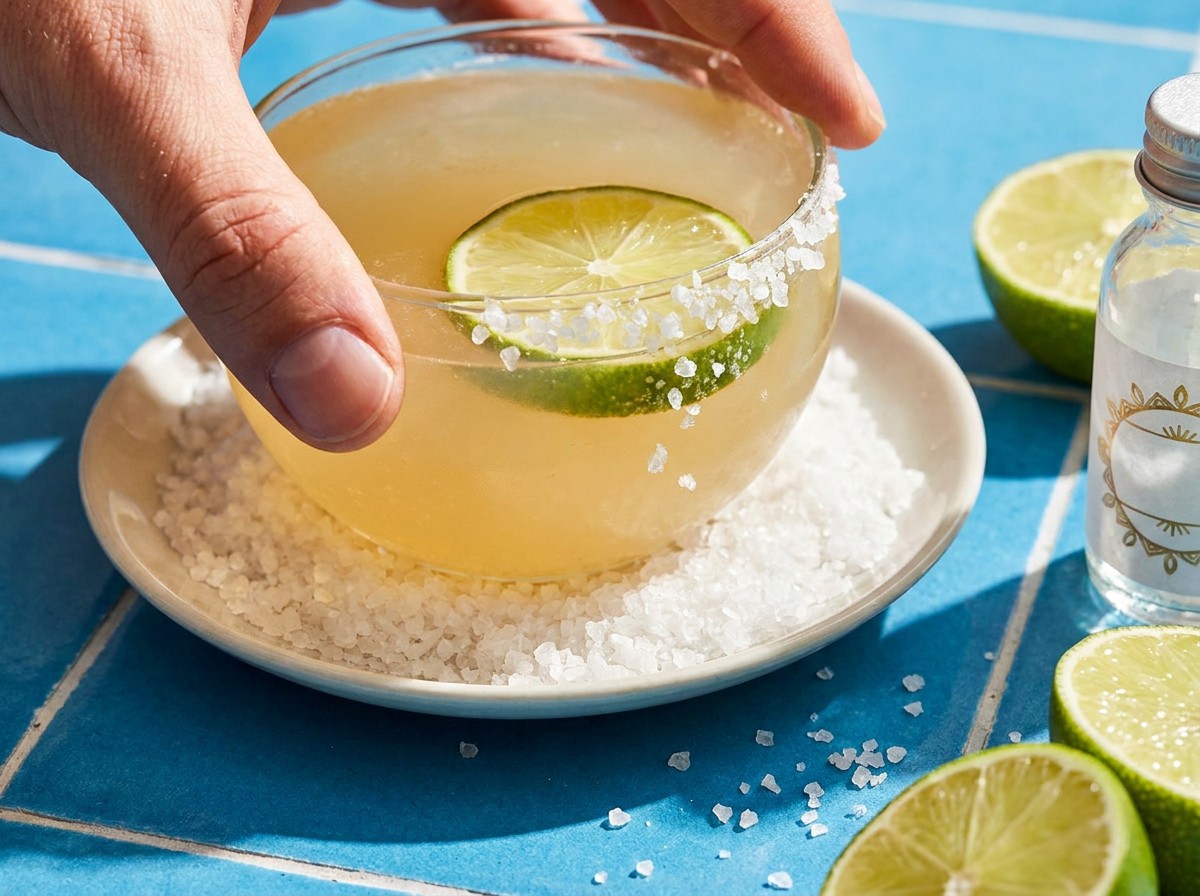
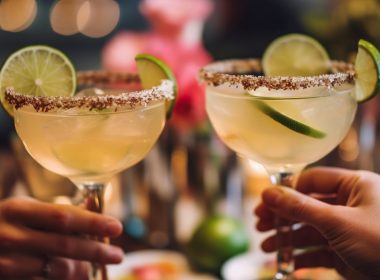
Ask most bartenders which is the best orange liqueur for a Margarita and they’ll give you the same answer: go crisp, go bright. A Margarita already has lime, tequila, and often a salted rim, so the orange liqueur’s job is to add citrus sweetness without weighing the drink down.
Cointreau-style triple sec works well when you want a clean, polished Margarita. A dry Curaçao can also work if you prefer a slightly deeper orange note. Grand Marnier is a good option for a richer riff, but expect a rounder drink with more body.
If your Margarita tastes too sweet, add a touch more lime. If it tastes too sharp, use a slightly sweeter orange liqueur or reduce the citrus a little. Either works; here’s what changes: dry orange liqueur keeps the finish crisp, while richer orange liqueur makes the drink feel smoother.
Cosmopolitan
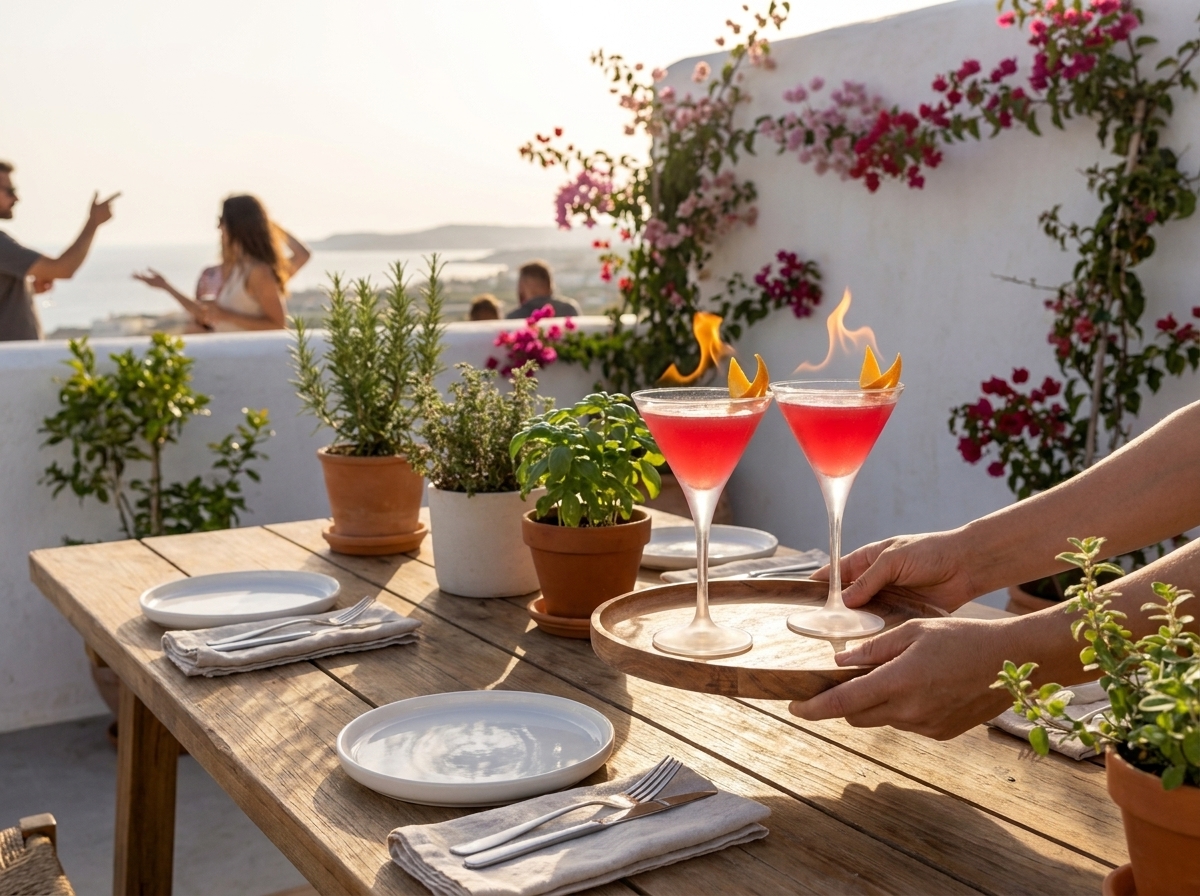
A Cosmopolitan needs to stay sharp — which is exactly why the best orange liqueur for a Cosmopolitan is almost always a clean, crisp triple sec. The drink depends on a bright balance of vodka, cranberry, and lime — a heavier orange liqueur muddles that up quickly.
A premium triple sec works especially well because it adds orange aroma without muddying the cranberry and lime. A heavier Cognac-based orange liqueur can be used, but it will change the drink. Expect a warmer, rounder Cosmo with less of that classic sharp pink snap.
For a drier Cosmopolitan, keep the orange liqueur crisp and let the lime do the lifting. For a softer version, choose a slightly sweeter bottle, but taste before adding any extra sweetener.
Sidecar
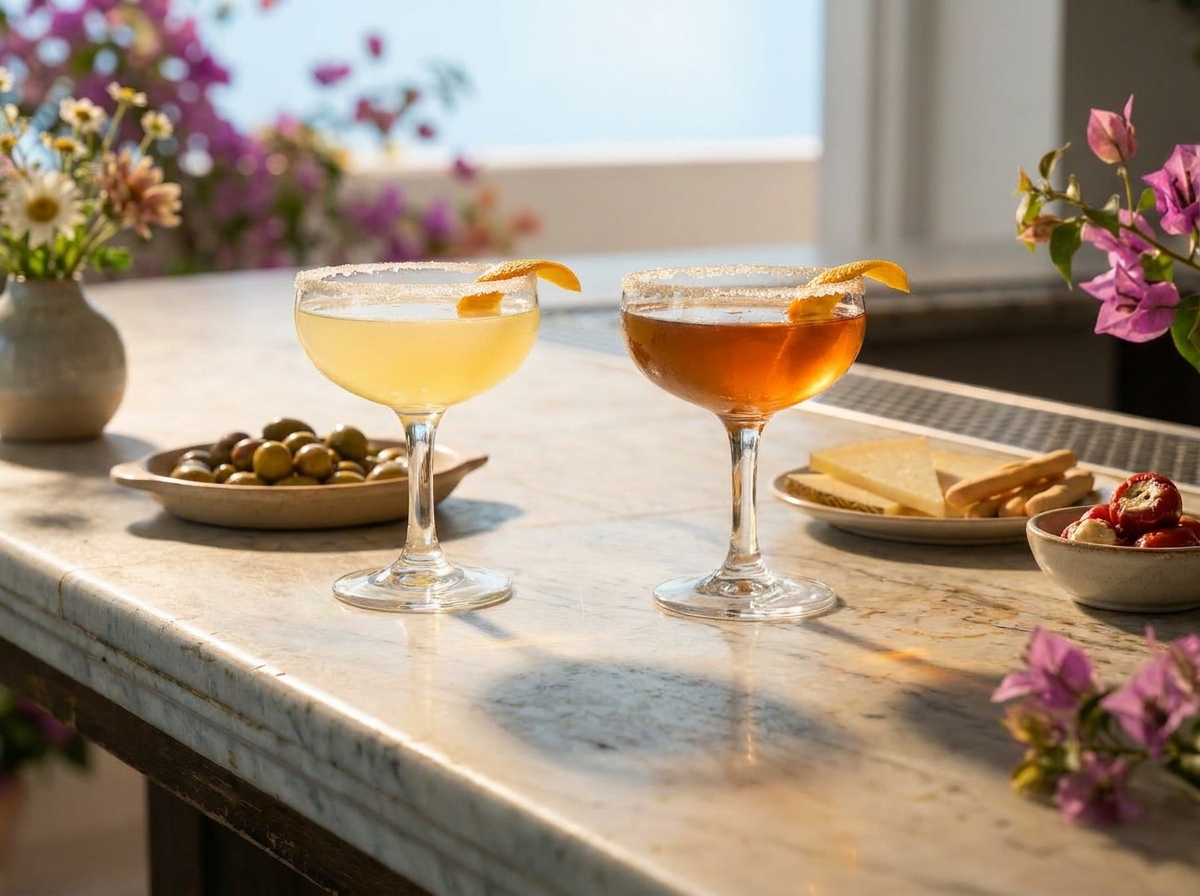
Unlike most cocktails, a Sidecar is one where the orange liqueur genuinely shapes the whole character of the glass. The best orange liqueur for Sidecar depends on whether you want something bright and tart or richer and more rounded — the Cognac base can handle both.
A clean triple sec gives you a brighter, sharper Sidecar. It lets the lemon and Cognac stay clear and snappy. Grand Marnier or another brandy-based orange liqueur gives you a deeper, silkier version with more orange warmth.
If you like a tart, classic-feeling Sidecar, start with triple sec. If you want something rounder and more after-dinner in mood, try a richer orange liqueur. You may need to adjust the lemon slightly to keep the drink balanced.
Mai Tai
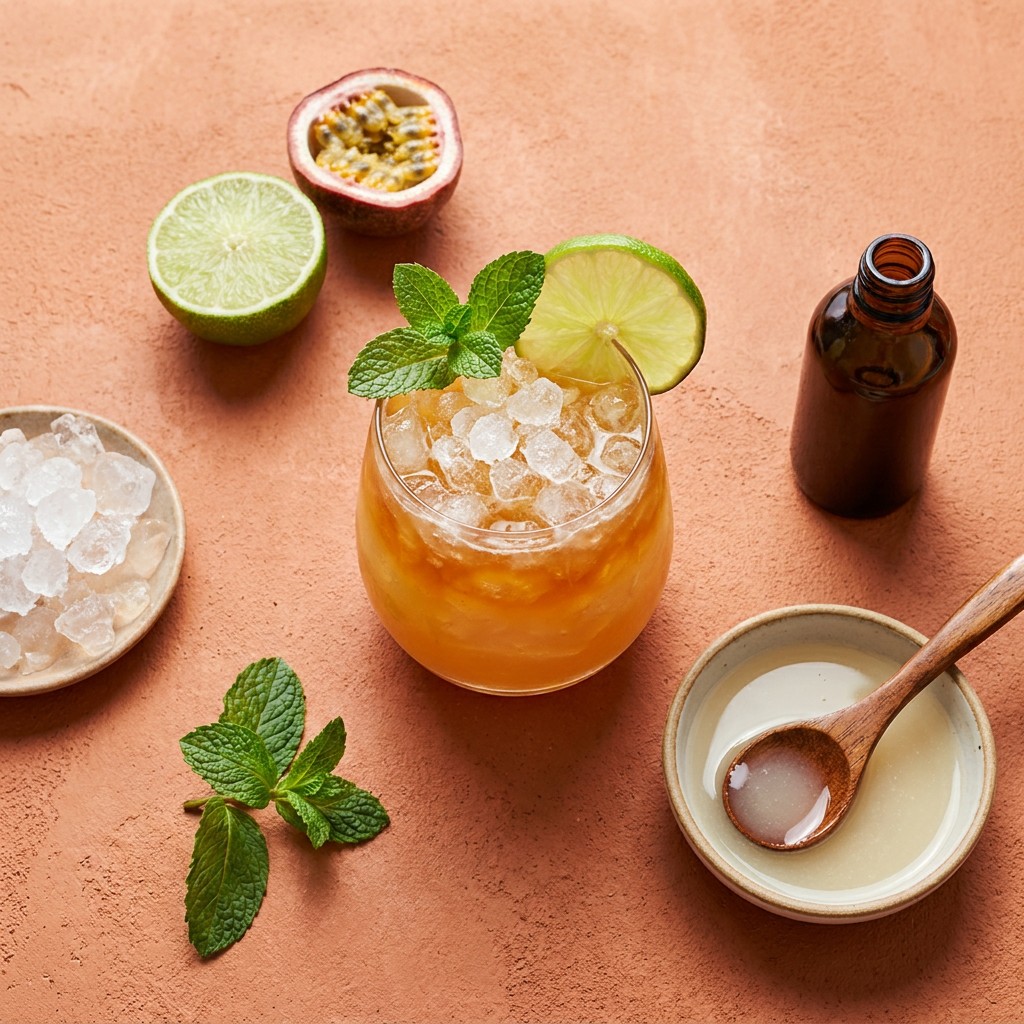
For a Mai Tai, orange liqueur needs to sit comfortably beside rum, lime, and orgeat. That means it should bring orange flavor without turning the cocktail sugary or flat.
Dry Curaçao is often a smart choice because it adds orange depth while keeping the drink structured. Triple sec can work too, especially if you want a brighter and cleaner Mai Tai. A richer orange liqueur can be tasty, but use it carefully because orgeat already brings sweetness and body.
The goal is contrast. Rum gives depth, lime gives tartness, orgeat gives almond sweetness, and orange liqueur ties the middle together. If the drink tastes heavy, choose a drier bottle next time or pull back slightly on the orange liqueur.
How to choose the best orange liqueur for your bar
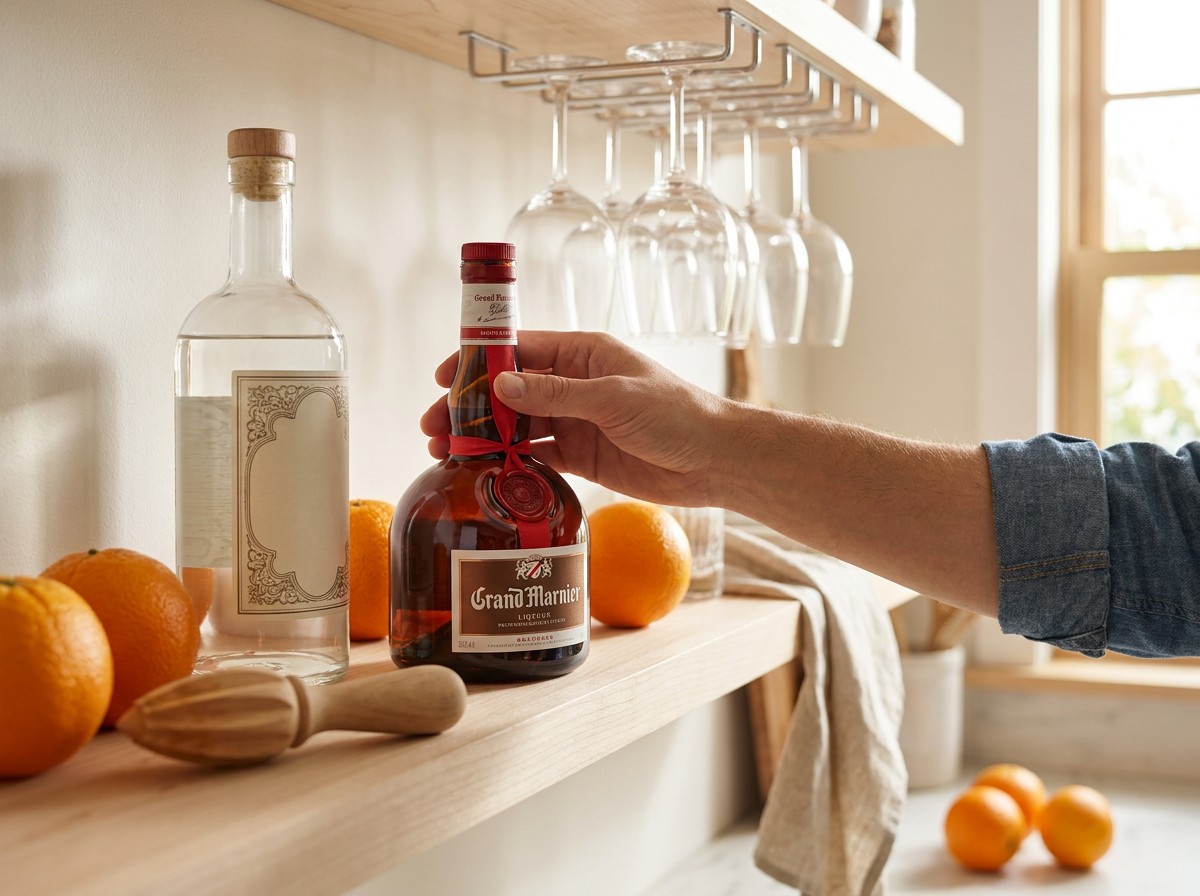
Choosing an orange liqueur is less about finding the “best” bottle and more about understanding what role you want it to play in a drink. Some bottles are designed to stay light and invisible, quietly sharpening citrus and lifting the base spirit. Others bring texture, warmth, and enough personality to noticeably change the cocktail.
One of the easiest mistakes when building a home bar is treating all orange liqueurs as interchangeable. They are not. Even small differences in sweetness, alcohol level, or orange intensity can shift the balance of a cocktail more than people expect.
How to choose orange liqueur? A useful way to choose is by asking what your bar is currently missing:
- If your cocktails often taste flat or overly sweet, a drier orange liqueur can add definition and freshness.
- If your drinks feel too sharp or thin, a richer orange liqueur can add body and roundness.
- If you mostly make citrus-led classics, versatility matters more than richness.
- If you enjoy spirit-forward cocktails, deeper orange liqueurs become much more interesting.
It is also worth paying attention to how the orange actually tastes. Some bottles lean toward fresh orange peel and bright citrus oils. Others move into candied orange, marmalade, vanilla, spice, or almost caramel-like notes. Neither style is automatically better, but they create very different cocktails.
For most home bars, one good-quality triple sec-style bottle is enough to cover the essentials. After that, adding a richer Curaçao or Cognac-based orange liqueur gives you more range and lets you experiment with darker, fuller cocktails without forcing every drink into the same citrus profile.
The goal is not to collect every bottle on the shelf. It is to understand how sweetness, texture, and orange character affect balance behind the bar. Once you notice those differences, orange liqueur stops being a background ingredient and starts becoming one of the easiest ways to shape a cocktail’s personality.
FREQUENTLY ASKED QUESTIONS
Orange liqueur is a broad cocktail category, not one single style. The main types of orange liqueur include triple sec, Curaçao, and brandy- or Cognac-based orange liqueurs like Grand Marnier. Triple sec is usually bright, clean, and crisp. Curaçao can be rounder and more complex. Grand Marnier brings richer body and a warmer finish.
For Margaritas and Cosmopolitans, a crisp triple sec-style bottle is usually the safest starting point. For Sidecars, Mai Tais, and richer cocktails, Curaçao or a brandy-based orange liqueur can add more depth. The best choice comes down to balance: dry versus sweet, bright versus rich, and clean citrus versus deeper orange warmth.